

Best Time to Visit Tokyo
What is the Best Time to Go to Tokyo?
March to April
The weather during this period is favorable overall. It gradually warms up from March to April, with daytime temperatures exceeding 20 degrees Celsius (68 degrees Fahrenheit). Daylight hours also increase, providing enough time for visitors to travel around. Occasional light rain showers have little impact on outdoor activities.
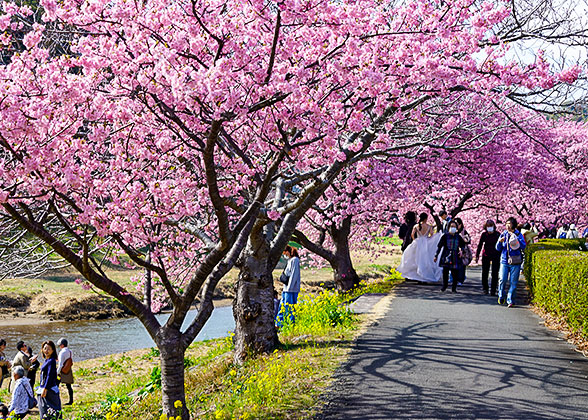
More importantly, sakura, a charming highlight of sightseeing in Tokyo, begins to bloom in mid-March, transforming the entire city into a pink fairy tale world, and withers in mid-April. After the cherry blossom season, tulips, azaleas, and wisteria take over, allowing you to continue enjoying the spring ambiance.

October to November
Additionally, the two months mark the harvest season, with a variety of fresh ingredients flooding the markets. For food enthusiasts, it’s a golden time. You can indulge in delicious dishes like Pacific sauries and brewed sake.
 See Also: Best Time to Visit Japan
High Season & Low Season to Visit Tokyo
March – November: High Season & Expensive Months
Tokyo, as a popular tourist city, has a long peak season spanning about 9 months. It begins with the blooming of cherry blossoms in mid to late March. Golden Week from late April to early May is one of the most crowded periods due to the common visit of domestic and foreign tourists. Entering the rainy season in June, tourist volume sees a slight decrease. In July and August, the summer vacation time, numerous fireworks festivals are held, ushering in a large passenger flow. Then, with the end of the summer holiday, tourists decrease temporarily in September. From late October to November, cool weather and fall foliage bring Tokyo into another quite crowded time.In addition to a large number of tourists, the high season also means rising prices. The airfare doubles, as do hotel prices, especially those near popular destinations. March to November thus become expensive months for travel in Tokyo. June and September are exceptions, when prices are at a normal level due to fewer visitors.
Read More: Peak Season – Expensive Months to Visit Japan
Tips:
1. If you hate crowds, avoid visiting top attractions like Senso-ji Temple, Meiji Jingu Shrine, and Nakamise-dori Street during peak hours of 10:00 – 15:00, particularly on weekdays. Instead, you are advised to set off early for an efficient trip.
2. Book flights, high speed trains, and hotels as early as possible. Some attractions need prior reservation, too, such as Tokyo Disneyland.
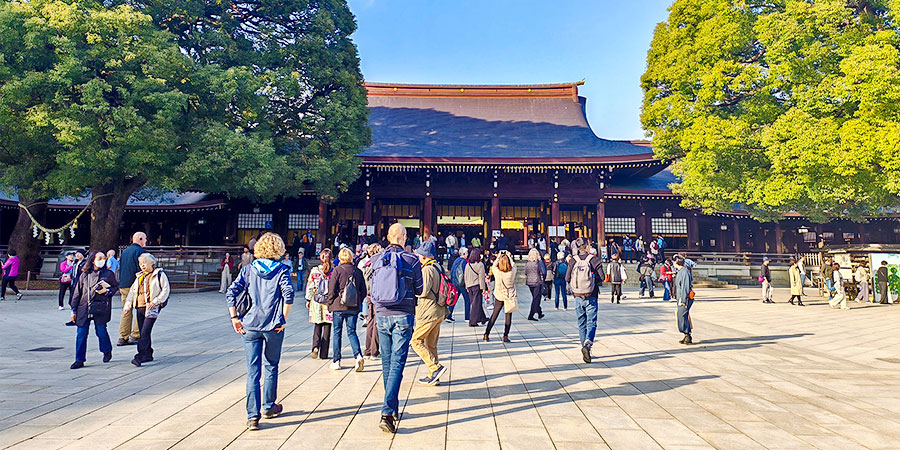
Meiji Shrine in High Season
|
December to February, New Year Holiday Excluded: Low Season & Cheap Months
Wintertime with cold weather and monotonous natural landscapes is the low travel season in Tokyo. The average temperatures vary between 4 - 12℃ (39.2 – 53.6℉). There is not much beautiful scenery available, let alone sakura and fall foliage, the must-sees during a Tokyo trip. Only during the New Year holiday is there a peak of family tourists.
For people with limited budgets and those preferring a quiet trip, the off-season is extremely attractive. During this period, accommodation and transportation are at their lowest prices of the year. In addition, due to relatively low tourist volume, you can deeply explore Tokyo’s cultural attractions. Soaking in hot springs and skiing in the suburbs are also good experiences.
Read More: When Is the Cheapest Month to Visit Japan?
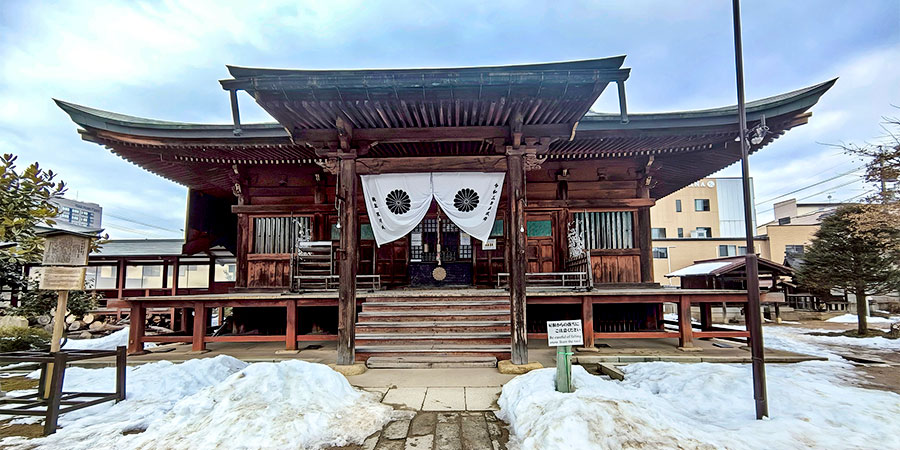
Cheap Wintertime to Tokyo
|
Best Time to See Sakura
Late March to early April is the best time to enjoy cherry blossoms in Tokyo. They are all in full bloom, particularly in hot Ueno Park, Shinjuku Gyoen National Garden, etc. Before the season ends, you have the chance to see Sakura Fubuki, an impressive scene that blossoms fly with the wind. It’s a good choice to have a picnic under the cherry blossom trees and savor seasonal treats like cherry blossom lattes.
Read More:
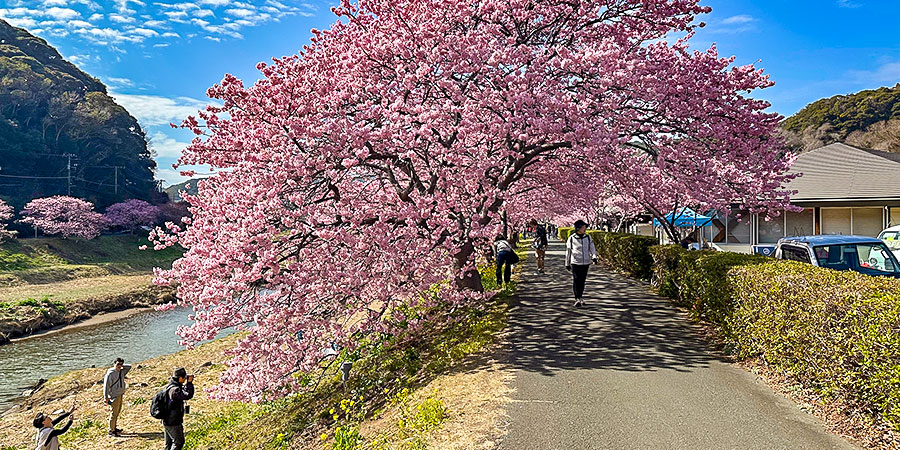
Sakura Blooming in Spring
|
Best Time to See Fall Foliage
Tokyo welcomes its best time for appreciating and photographing fall foliage in mid-November to early December, especially in late November. The maple and ginkgo trees in urban parks and gardens put on their red and yellow costumes, creating a breathtaking scene. Popular destinations for autumn leaves include Shinjuku Gyoen National Garden, Yoyogi Park, and Rikugi-en Garden.
Admire Fall Foliage
|
Best Time to Visit Mt. Fuji
To Appreciate from a Distance: December to February
In this period, the mountaintop is covered with thick snow, forming an iconic snow cap. Dry, sunny weather, along with withered trees, provides high visibility and a wide field of vision. Most days in the three months, you can clearly capture the full view of the mountain at Lake Kawaguchi, Arakurayama Sengen Park, Lake Ashi, Hakone, etc. In addition, it is the off-season for tourism in Tokyo, with fewer tourists. Just mind that the temperatures around the mountain are lower than downtown.
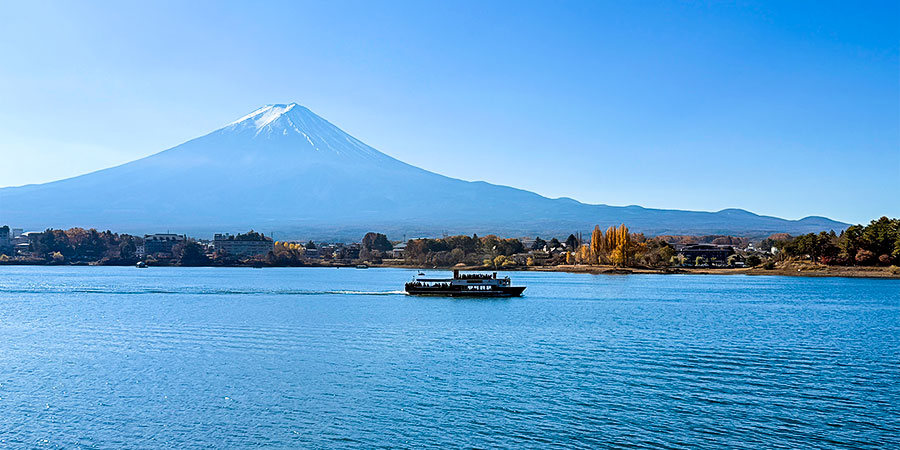
Mt. Fuji with Snow Cap
|
To Climb the Mountain: July to early September
It’s the only period you can climb the mountain, with proper climate, melted snow and clear roads. Ordinary tourists are officially prohibited from climbing in other seasons for the sake of security. Prior reservation is required if you plan to hike on the mountain.
The Best Time of the Day: Early Morning
Tips
1. For a unique landscape, you can also choose sakura season and fall foliage season, when you can capture the same frame of Mt. Fuji and cherry blossoms or red leaves.
2. Search the real-time camera footage on the official website before departure to find the best viewing conditions.
Best Time to Shop
For shopping enthusiasts, the best time to visit Tokyo is during the summer and winter sales seasons, specifically, late June to August, and December to January, when the largest discounts are available. During summer clearance sales, you can even find clothing at half price or lower. December features the year-end discount season, while New Year sales provide lucky bag activity. Those bags are filled with clothing, beauty products, electronics, and more, priced far below the total cost of individual items.
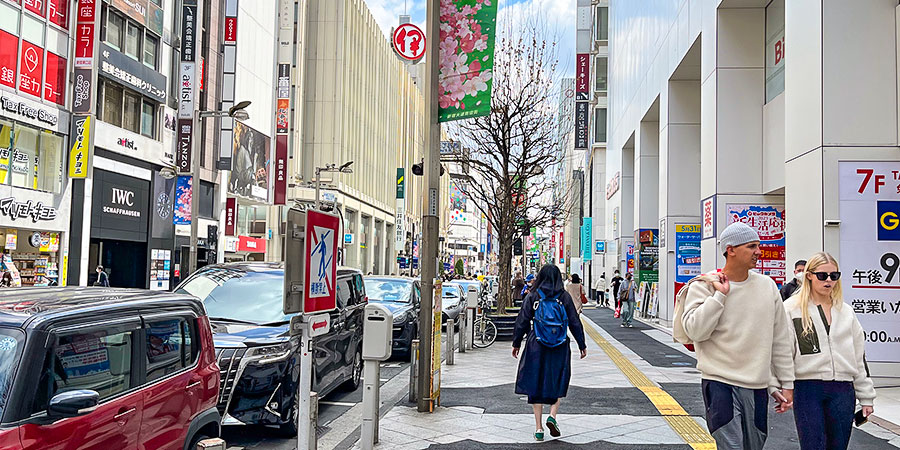
Shop at Ginza
|
Festivals & Events in Tokyo
|
Festivals & Events |
Time |
Dates in 2026 |
Site |
|
New Year |
late December to early January |
December 29th to January 4th |
Hatsumode – New Year visit to a shrine/temple |
|
Setsubun Festival |
February 3rd or 4th |
February 3rd |
Shrines and temples |
|
Hanami |
late March to early April |
|
Major parks, gardens, and rivers |
|
Golden Week |
late April to early May, mostly from Apr. 29th to May 5th |
April 29th - May 6th |
|
|
Kanda Matsuri Festival |
early to mid-May in odd-numbered years |
|
Kanda Myoujin Shrine near Akihabara |
|
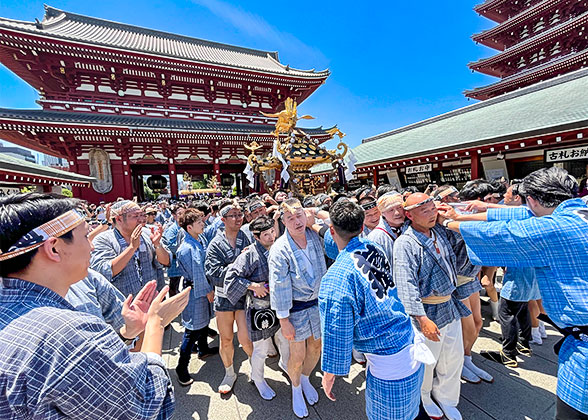
Sanja Matsuri Festival |
mid-May |
May 15th – 17th |
Sensoji Temple in Asakusa |
|
Torigoe Festival |
early June |
June 12th – 15th |
Torigoe Shrine |
|
Sanno Masturi Festival |
early to mid-June in even-numbered years |
|
Hie Shrine |
|
Katsushika Summer Fireworks Festival |
last Tuesday or Wednesday of July |
July 28th or 29th |
Katsushika Shibamata Baseball Stadium by Edogawa River |
|
Sumida River Fireworks Festival |
late July |
|
Sumida Riverbank – between Sakurabashi Bridge and Kototoi Bridge |
|
Obon Festival |
August 15th |
August 15th |
|
|
Nezu-jinja Shrine Annual Grand Festival |
mid-September |
|
Nezu-jinja Shrine |
|
Mt. Takao Maple Festival |
mid-November to early December |
|
Mt. Takao |
|
Tori no Ichi Fair |
days of the Rooster in November |
November 7th, 19th |
Major temples/shrines |
|
Sumo Tournaments in Tokyo |
January, May & September |
January 11th – 25th, May 10th – 24th, September 13th – 27th |
Ryogoku Kokugikan Stadium |
|
Winter Illuminations |
December, some would last till January or even mid-February |
|
Marunouchi to Tokyo Station, Roppongi Hills, Meguro Riverbank, etc. |
|
|
|
Times to Avoid Traveling to Tokyo
1. June to September: Muggy Weather & Rainy/Typhoon Season
Tokyo is in the summer and rainy season in June and July, when hot and sticky weather becomes more and more obvious. Daytime temperatures remain over 30℃ (86℉) and often exceed 35℃ (95℉), easily causing discomfort for tourists, particularly for children and the elderly who are not heat-resistant. Typhoons often visit in August and September, which may lead to the suspension of subway, high speed trains, and flights. It means that your schedule is easily interrupted.
In addition, the summer vacation, both domestically and internationally, brings numerous tourists to Tokyo, making it difficult to leisurely enjoy the trip and requiring more money.
|
|
|
2. Golden Week & New Year Holidays: Overcrowded & Expensive
Visitors encounter the largest crowds of tourists of a year during Golden Week holiday from April 29 to May 6 and New Year holiday from December 29 to January 4 in Tokyo.
In addition, many local shops and restaurants close during the New Year period. Convenience stores shorten their operating hours, and subway services are also reduced. The First Visit to popular shrines takes you a very long time due to the mass of visitors.
Tokyo Weather by Month