

Everything You Need to Know about Rainy Season in Japan
The rainy season is a period when frequent rain hits Japan from late spring to summer each year. During this time, most regions of Japan are affected, experiencing high rainfall and humidity levels. While this inevitably impacts travel plans a lot, it doesn’t mean you should definitely avoid visiting Japan during the rainy season.
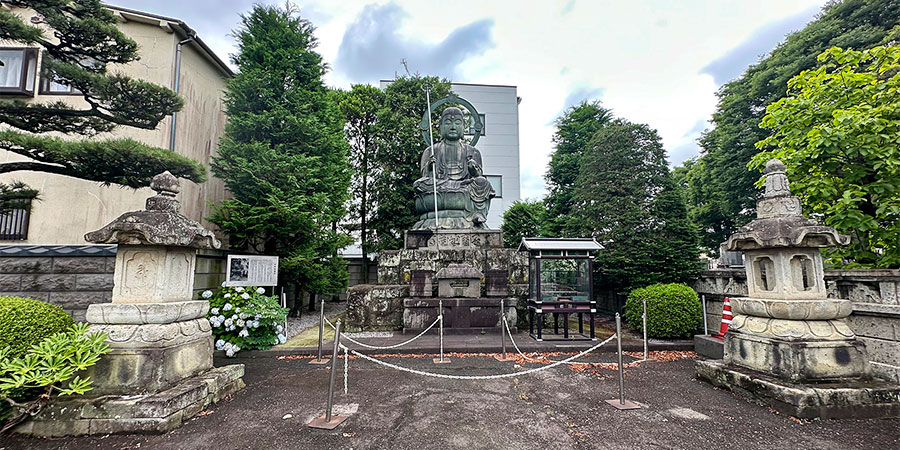
Japan View in Rainy Season
|
When is the Rainy Season in Japan?
Japan’s rainy season generally lasts from May to July, though the exact timing and duration vary by region. Specifically, the southernmost region of Okinawa is the earliest to enter the rainy season and experiences the longest rainy duration. The further north you go, the later the onset of the rainy season occurs, and the shorter the duration becomes. The northernmost region of Hokkaido, however, remains unaffected by the rainy season.
|
Region |
Time of the Rainy Season |
|
Okinawa |
Early May to Late June |
|
Kyushu (Fukuoka) |
Late May to Mid-July |
|
Chugoku (Hiroshima) |
Late May to Mid-July |
|
Shikoku (Kochi) |
Early June to Mid-July |
|
Kansai (Osaka, Kyoto, and Nara) |
Early June to Mid-July |
|
Chubu (Nagoya) |
Mid-June to Late July |
|
Kanto (Tokyo) |
Early June to Late July |
|
Tohoku (Aomori) |
Mid-June to Late July |
|
Hokkaido |
No Rainy Season |

Weather Conditions in Detail in the Rainy Season
 Rainfall: When a region is in the midst of its rainy season, precipitation levels can be exceptionally high. Take Tokyo as an example: during its peak rainy months of June and July, the average monthly rainfall reaches 173 mm and 169 mm, respectively, with 12 and 10 rainy days. Fortunately, its main forms during this period are typically light rain and brief showers. Sudden downpours may occur, but prolonged heavy rains are rare. This means that even if you encounter rainy days during your visit in the rainy season, you will not be stuck in hotels all day.
|
|
|
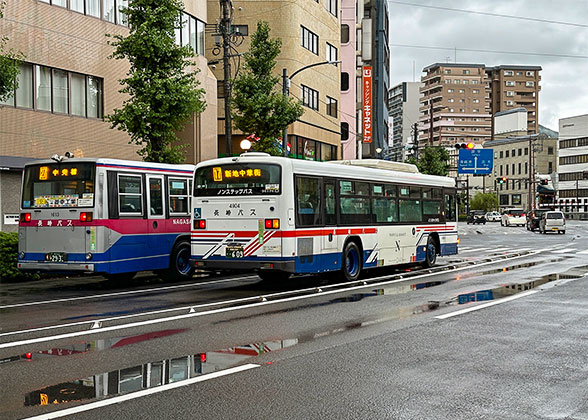 Humidity: Generally speaking, the average humidity can be as high as 70% or above during the rainy season. As a result, the apparent temperature will be higher, and you will feel the air is quite sticky.
Can I Visit Japan in the Rainy Season? / Is Japan in the Rainy Season still Worth Visiting?
Japan’s rainy season with frequent rain and muggy weather is indeed less than ideal for travel, leading many tourists to avoid visiting during this period. If you also want many sunny hours and don’t like the sticky feeling, the rainy season might not be suitable for you to explore Japan.
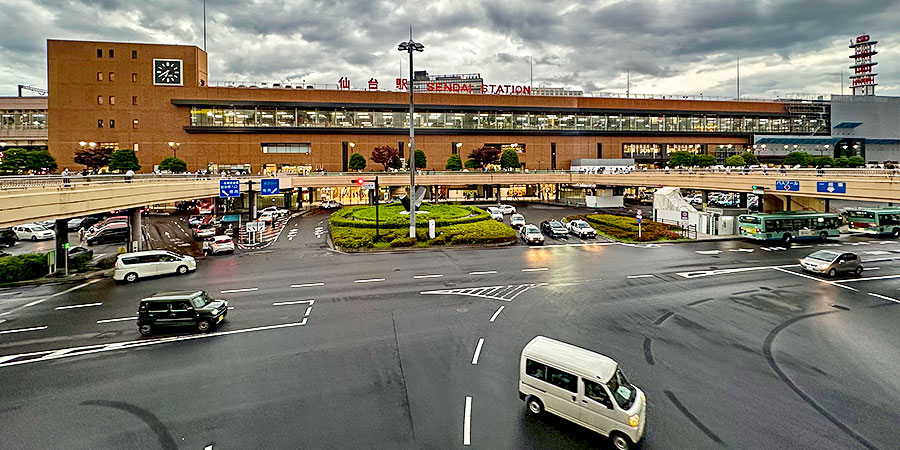
Gloomy View on Rainy Days
|
However, as mentioned above, the rain during the rainy season generally won’t completely hinder travel; at most, it will shorten the time that you can spend on outdoor activities and cause some inconveniences. If you don’t mind this, you can still have a relatively pleasant journey as long as you plan a flexible itinerary in advance and prepare thoroughly. Moreover, the rainy season also offers some advantages that should not be ignored:
1. Except for the “Golden Week” in early May and late July when Japan’s students are in the summer holidays, most of the rainy season belongs to the off-peak travel period. Cities and attractions have fewer crowds, and you can enjoy a quieter and more leisurely trip. On rainy days, attractions, especially shrines, will be even more serene and peaceful.
2. The off-season also means lower prices of accommodations and air tickets.
3. During these months, Japan’s natural landscapes are stunningly beautiful and vibrant: plants at attractions like shrines and parks are lush and green, and colorful flowers like hydrangeas are in full bloom.
4. Some summer festivals and fireworks festivals take place during this period.
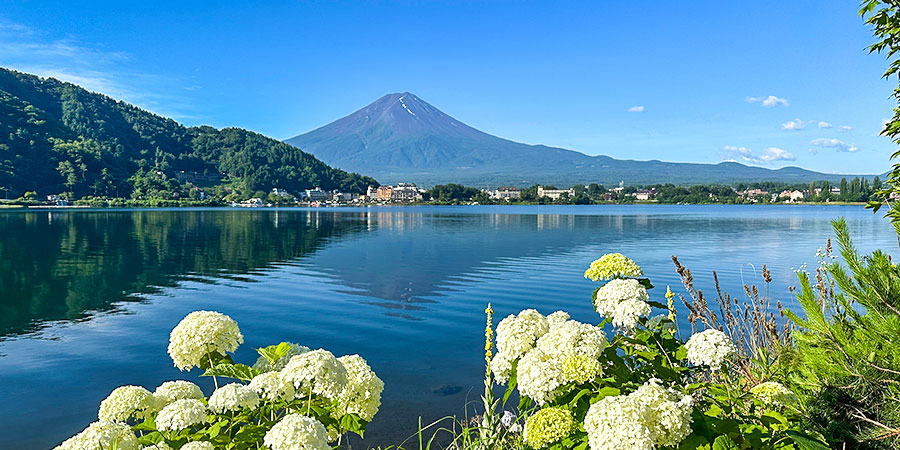
Mount Fuji with Hydrangeas
|
Then, the following list some things you may want to know to gain a better travel experience when traveling to Japan during the rainy season.
Packing Tips for Traveling During the Rainy Season
Rain gear: You need to always bring a high-quality and compact folding umbrella that is easy to carry. A lightweight raincoat is also indispensable, which offers greater convenience than an umbrella during outdoor activities. Additionally, consider preparing waterproof shoe covers to prevent your shoes from getting wet and dirty. Clothes: Since the weather of the rainy season is often muggy, you are recommended to pack breathable and quick-drying T-shirts, tank tops, lightweight pants, shorts, and dresses. Also, remember to bring one or two light jackets to stay comfortable on slightly cool rainy moments and in air-conditioned spaces. Shoes: Though you may have prepared waterproof shoe covers, you are still recommended to wear water-resistant shoes if possible, which is more convenient and means dual protection. In addition, some spare socks could be prepared for a change just in case. Others:1. You will find portable tissues essential when venturing out in the rain.
2. You are advised to bring a waterproof backpack to keep your belongings dry during showers.
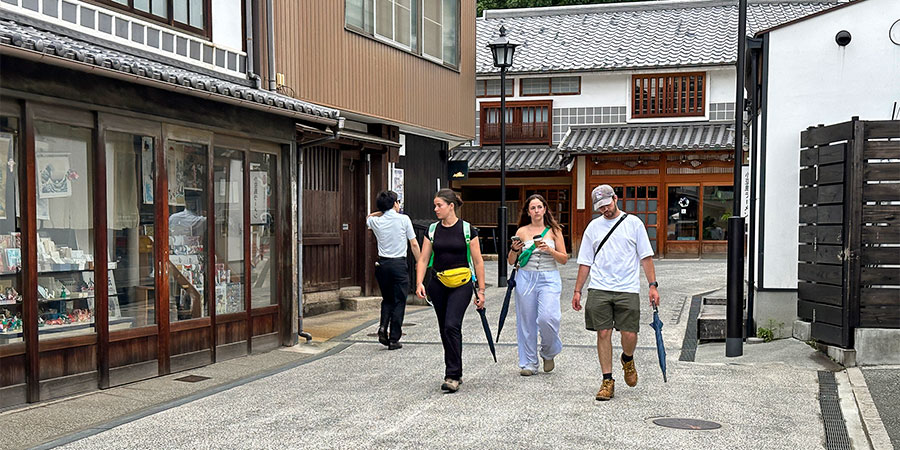
People Visiting Japan in Rainy Season
|
Recommendations and Tips for Japan Trips in the Rainy Season
1. From the perspective of weather, among these three months, July is the least comfortable one, when most regions have high rainfall and oppressive heat; June follows; May, with the most pleasant temperatures and the smallest area experiencing the rainy season, is the most recommended one. However, if you are interested in Japanese culture, July, with its abundance of summer festivals, may be more suitable for you.
See also: Japan May Weather, Japan June Weather, Japan July Weather
2. As mentioned above, the periods around early May and late July tend to be quite busy. It’s best to avoid these times. Otherwise, remember to make reservations well in advance.
3. As mentioned above, it’s essential to plan your itinerary in advance, especially if your traveling dates are set in the peak rainy season of June and July. On one hand, avoid overbooking your daily schedule to allow flexibility for potential rain and resulting delays. On the other hand, research indoor attractions that interest you beforehand. This way, even if you encounter prolonged rain, you can still enjoy your trip. Based on this, checking the weather forecast frequently before and during your trip is also important. Below are some popular indoor attractions across Japan that you can visit on rainy days:
Tokyo: Tokyo National Museum; Ghibli Museum; National Museum of Nature and Science; Tokyo Metropolitan Art Museum; Sunshine Aquarium; Ginza; Akihabara; Odaiba
Kyoto: Kyoto National Museum; Higashiyama; Kyoto Railway Museum; Kyoto Kyocera Museum of Art; Kyoto Aquarium; Nishiki Market; Takashimaya; Daimaru
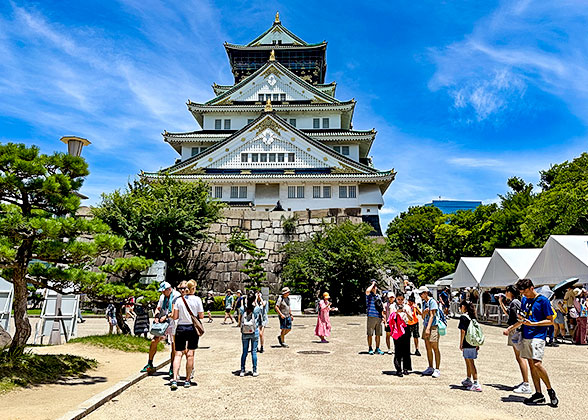
Osaka: Osaka Aquarium; Osaka Museum of History; Osaka Castle Museum in Osaka Castle; Umeda
|
|
|
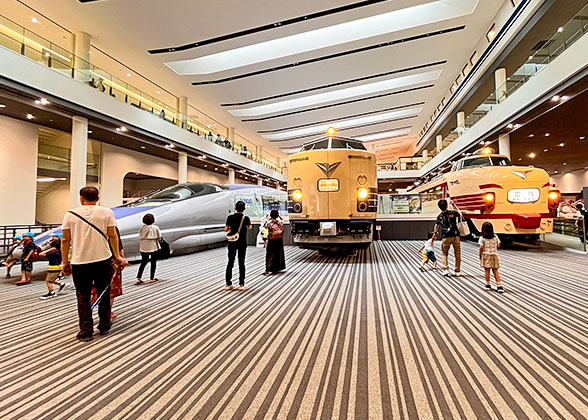
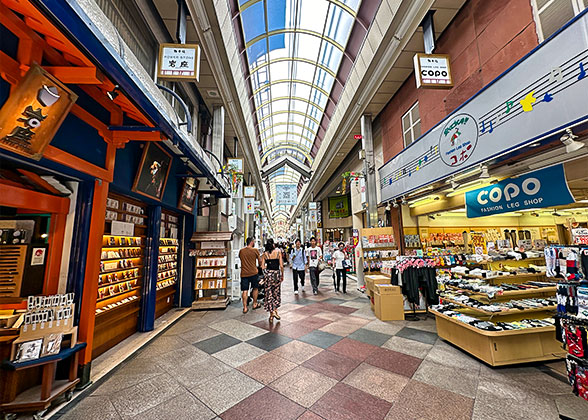
4. When planning your trips to Japan in the rainy season, consider these highlights to enrich your itinerary:
(1) In Hokkaido, a region that has no rainy season and cool summer temperatures, cherry blossoms bloom in May, while lavender blooms in June and July.
(2) June marks the peak blooming season for vibrant hydrangeas. Top spots to admire them include Hakusan Shrine in Tokyo, Fujinomori-jinjya Shrine in Kyoto, and Meigetsu Temple in Kamakura.
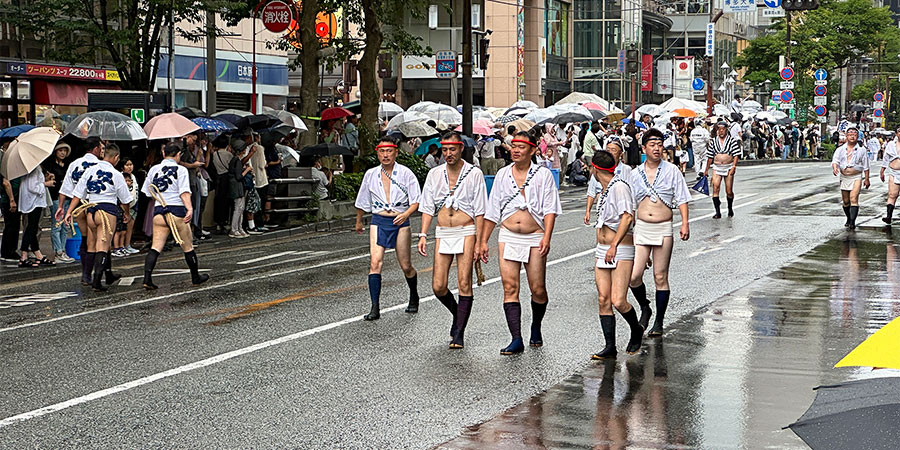
Hakata Gion Yamakasa Festival
|
(3) Famous summer festivals and fireworks festivals during this period include: Tokyo’s Sanja Matsuri and Kyoto’s Aoi Matsuri in May; Sapporo’s Yosakoi Soran Festival in June; and Kyoto’s Gion Matsuri, Fukuoka’s Hakata Gion Yamakasa Festival, and Tokyo’s Sumida River Fireworks Festival in July.
You May Like
-
 11 Days Mini Group: Tokyo - Hakone (Mt. Fuji) - Kyoto - Nara - Osaka - Hiroshima - Kanazawa - Shirakawa-go - Takayama - Tokyo from USD3554
 -
 7 Days Mini Group Tour Package with Essence of Japan: Tokyo - Mount Fuji - Kyoto - Nara - Osaka from USD2155
 -
 13 Days Japan Private Tour of Tokyo - Kamakura - Tokyo - Mt. Fuji - Kyoto - Nara - Hiroshima - Osaka from USD4443