


Hanoi Weather in August
Hanoi is generally enveloped in sweltering heat throughout August. The scorching weather in the first half of the month is almost unbearable, with the muggy discomfort only easing slightly in the latter half. Additionally, August is one of the rainiest months in Hanoi, and the region is occasionally hit by typhoons this time. All factors being considered, August is far from an ideal time to visit Hanoi.
Temperature
August is the hottest month of the year in Hanoi. The extreme high temperatures mainly occur in the first half of the month, and the temperature gradually drops in the latter half.In the first half of the month, the daytime highs mostly linger between 34 and 38 degrees Celsius (93 - 100 degrees Fahrenheit), occasionally soaring to 40℃ (104℉). Coupled with the 80% humidity brought by the southwest monsoon, the apparent temperature can approach 50℃ (122℉). Such muggy conditions can dampen your appetite. Also, the moment you step out, you’re drenched in sweat, so you’ll have to take multiple showers a day to stay fresh. Even the nighttime lows range from 26 to 30℃ (79 - 86℉), offering little relief from the heat.
By the second half of the month, the high temperatures generally drop to 30 - 34℃ (86 -93℉), and the low temperatures also fall to 24 - 27℃ (75 - 81℉). Although the weather remains fairly hot, it is no longer so scorching that you don’t want to go out at all. A gentle breeze in the early morning or evening can even bring you a hint of autumnal coolness.
|
|
|
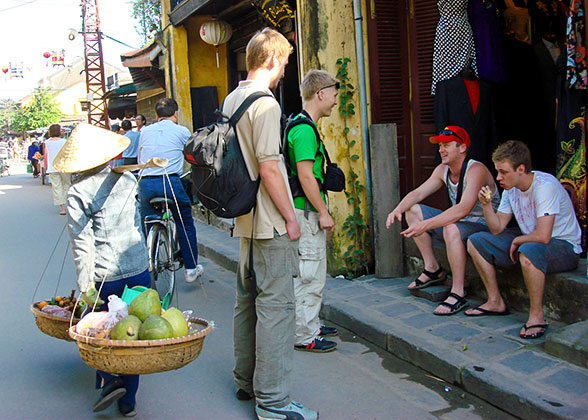
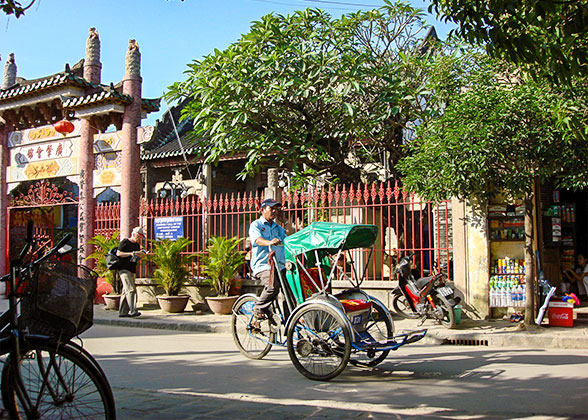
Precipitation
In August, Hanoi experiences frequent and heavy rainfall, with an average monthly precipitation of 318 mm and 17 rainy days. In the past three years, there have been only 3 to 5 rain-free days in August. What’ worse, in 2023, it rained everyday throughout the entire month, which undoubtedly affected the travel experience. Fortunately, these are mostly short showers: although they come suddenly and cause street flooding quickly, they also subside rapidly, with most clearing up within 1 to 2 hours, leaving no hindrance to subsequent outings.Typhoon
Typhoon activity affecting Hanoi gradually intensifies in August. On average, the city is impacted by one typhoon each August. However, typhoons rarely make direct landfall in Hanoi. Instead, they usually only bring influence through their peripheral circulation, causing continuous heavy rainfall. For example, during Typhoon Kajiki in August 2025, rainfall in parts of Hanoi exceeded 200 mm, triggering severe urban flooding and major travel disruptions. The area was almost like a “water city”, with boats even required for transit.Daytime and Sunshine Duration
Hanoi sees sunrises at 5:29 - 5:38, and sunsets at 18:15 - 18:36 in August. Daylight hours gradually decrease, lasting roughly 13 hours in the first half of the month and dropping to around 12.5 hours in the second. While the first half offers longer days, extreme heat drastically cuts down suitable time for outdoor activities. With cooler temperatures in the latter half, you’ll have more time to explore and sightsee.It’s also important to pay attention to the sunshine intensity and UV index during this period. Despite frequent rainfall in August, the average daily sunshine duration still reaches 6 hours. Direct exposure to the scorching sun can cause noticeable stinging on the skin. Even on overcast and rainy days, the UV index remains high, hovering around 11. You must never slack off on sun protection, no matter when you go out.
Is August Really Not a Good Time to Visit Hanoi?
Admittedly, August is not an ideal time to visit Hanoi. Scorching heat, frequent rainfall, intense sunlight, and the potential risk of typhoons all present considerable challenges for travel.If you have no choice but this period, it is recommended to schedule outdoor activities only in the early morning or late evening. For example, you can head to Ba Dinh Square to watch the flag-raising ceremony at 6:30, followed by a leisurely stroll at Hoan Kiem Lake. During the hottest midday hours, you may rest at your hotel or relax in a local cafe. In the evening, you can venture out to night markets to sample local snacks. Alternatively, you can prioritize indoor attractions during hot hours, such as watching a water puppet show, visiting the National Museum, and checking out the Lotte Observation Deck.
|
|
|
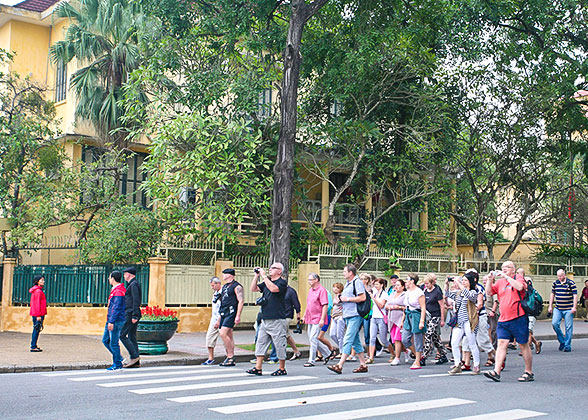

Packing List for Visiting Hanoi in August
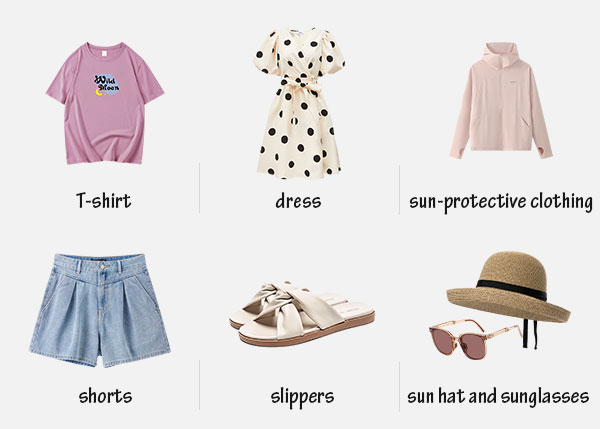
|
Shoes: It is most recommended to bring sandals, slippers or water shoes. If you really want to wear sports shoes, it is best to bring a pair of waterproof shoe covers.
Other Items: Mosquito repellent, umbrellas, raincoats, sunscreen, parasols, sun hats, sunglasses, etc.
Tips
1. Prioritize light-colored clothing for dark-colored garments absorb more heat, resulting in significantly greater discomfort; make sure to replenish electrolyte water promptly to avoid dehydration and heatstroke.
2. It is recommended to carry waterproof pouches to properly store paper documents such as passports and itineraries, as well as electronic products like mobile phones and cameras, to prevent them from getting damp and damaged by rain.
3. Keep a close eye on the typhoon warnings and try to avoid coming during the affected period.
4. Food spoils easily in hot weather. When choosing street snacks, it’s best to pick well-known and popular stores. These stores consume ingredients quickly, so the risk of food not being fresh is lower. Additionally, it’s advisable to carry some stomach medicines just in case.
You May Like
-
 9 Days Vietnam Private Tour: Ho Chi Minh City - Mekong Delta - Ben Tre - Hoi An - Hue - Ha Long Bay - Hanoi from USD1521
 -
 10 Days Private Tour to Ho Chi Minh City - My Tho - Ben Tre - Can Tho - Da Lat - Nha Trang from USD1345
 -
 12 Days Private Vietnam Tour with Hanoi Highlights, also including Ha Long Bay - Hue - Da Nang - Hoi An - Ho Chi Minh City - Can Tho from USD1811