


Vietnam Weather
Vietnam lies predominantly south of the Tropic of Cancer and falls within the tropical monsoon climate zone. It enjoys a large latitudinal span, exhibiting a long and narrow terrain in north-south direction, which gives rise to different climatic features across varied regions. The north has four distinct seasons with a considerable difference between winter and summer. In contrast, the south basks in an even and high temperature all year round, but characterized by distinct rainy and dry seasons.
Temperature
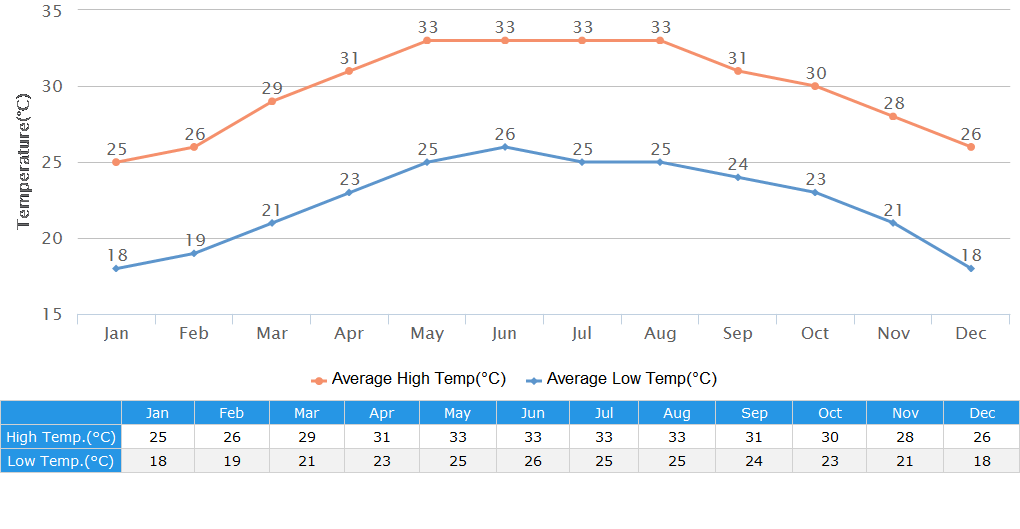
Due to the elongated and different territory, temperatures differ a lot in diverse regions.For instance, from December to February, Ho Chi Minh City in southern Vietnam typically experiences temperatures nearly 10 degrees Celsius (50 degrees Fahrenheit) higher than in Hanoi, located in the north. In a more vivid way, a T-shirt and a dress are all you need for a trip to Ho Chi Minh City, while a thick coat is a must when you head to Hanoi. Moreover, if you go further to the northernmost and high-altitude city of Sapa, you even need to bring a down jacket.
Da Lat, although located in the south of Vietnam, maintains a cool temperature of 15 to 24℃ (59 to 75℉) all year round due to its high altitude and mountainous terrain, thus becoming a well-known summer resort.
Which is the coldest month in Vietnam?
December to February in the following year typically constitutes the coldest period in Vietnam. In Hanoi, temperatures may fall below 10℃ (50℉), although they generally range between 15 and 19℃ (59-66℉). Notably, in more extreme cases such as Sapa, temperature in mountainous areas can even drop to around 0℃ (32℉).In contrast, southern Vietnam experiences a consistently warm climate year-round, with no distinct cold season. For example, in Ho Chi Minh City, the lowest temperature in December can remain above 20℃ (68℉).
Which is the hottest month in Vietnam?
June to August represents the hottest period of the year in Vietnam, during which the temperature difference between the north and south is relatively minimal. In both Hanoi and Ho Chi Minh City, high temperatures can reach 35℃ (95℉) or higher, with historical records reaching approximately 40℃ (104℉). This temperature condition, coupled with the high humidity resulting from its location by the sea and high rainfall, makes you feel like in a sauna room, and is not suitable for prolonged outdoor activities.
|
|
|
Precipitation
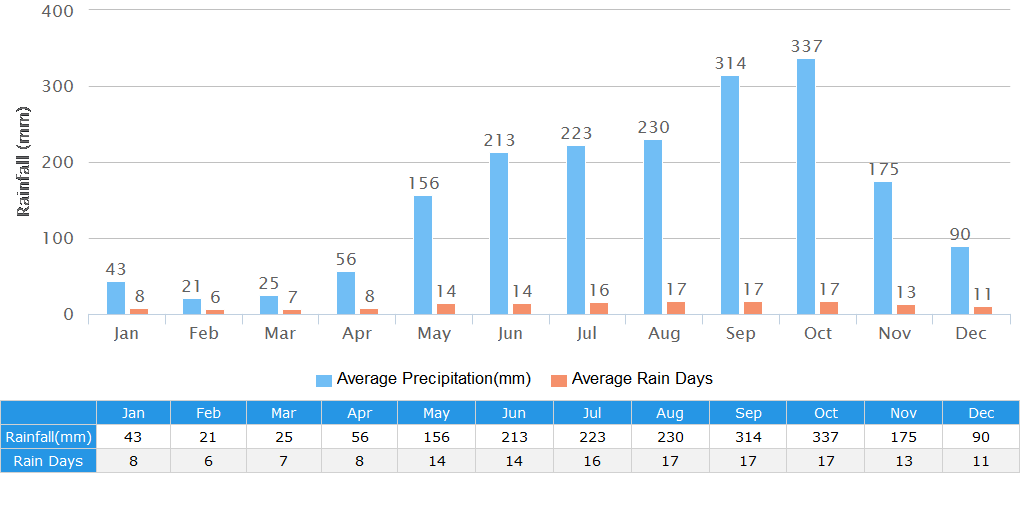
Vietnam weather is influenced by the southwest monsoon, which contributes to an average annual precipitation of 1,255mm, with the number of rainy days reaching up to 98 per year.What is the rainy season in Vietnam?
The rainy season in Vietnam lasts from May to October. In the south, the precipitation of the rainy season accounts for 80% of the total annual precipitation. During this period, there is usually a heavy rain every afternoon. However, the rain comes and goes quickly. When the rain comes, you can choose to seek shelter in a coffee shop and experience the unique coffee culture of Vietnam. When the rain stops, outdoor sightseeing can be resumed at leisure.Notably, in recent years, extreme weather has occurred frequently. For example, in 2025, the daily rainfall in Hue during the rainy season once reached as high as 1,739mm, nearly twice the annual rainfall of New York. This kind of rain disaster poses dangers on human beings and is completely unsuitable for tourism.
When is the typhoon season in Vietnam?
The typhoon season in Vietnam is typically from June to December, with the peak period being from October to December. On average, the country experiences around ten typhoons each year. However, in recent years, the number of typhoons has significantly increased due to climate change. For instance, in 2025, Vietnam has already been hit by 14 typhoons, setting a new record high.Typhoon weather can cause flight delays, which brings inconvenience to tourists’ travel. Moreover, almost all outdoor attractions will suspend operations. Therefore, if you plan to come to Vietnam during the typhoon season in 2026, be sure to keep an eye on the weather forecast and try to avoid typhoon days.
Best Time to Visit Vietnam
The best time to visit most parts of Vietnam is from November to April. First of all, the weather is cool in the north and not very hot in the south. For example, in Ho Chi Minh City, the temperature is generally below 30℃ (86℉) except the noon time, which is very friendly for city walks. In addition, the less rainy weather ensures smooth outdoor sightseeing and activities, like experiencing the local transportation mode, moto-taxi.However, Sapa represents an exception, with the optimal travel period from August to September. Don’t worry it being hot: the temperature remains around 20 to 30℃ (68 to 86℉), making it a good place to escape the summer heat. More importantly, the crops have ripened and entered the harvest season, making the terraces shimmer with golden hues. The extensive, layered terraces, complemented by the clear blue sky, form a picturesque landscape of fairy tale charms.
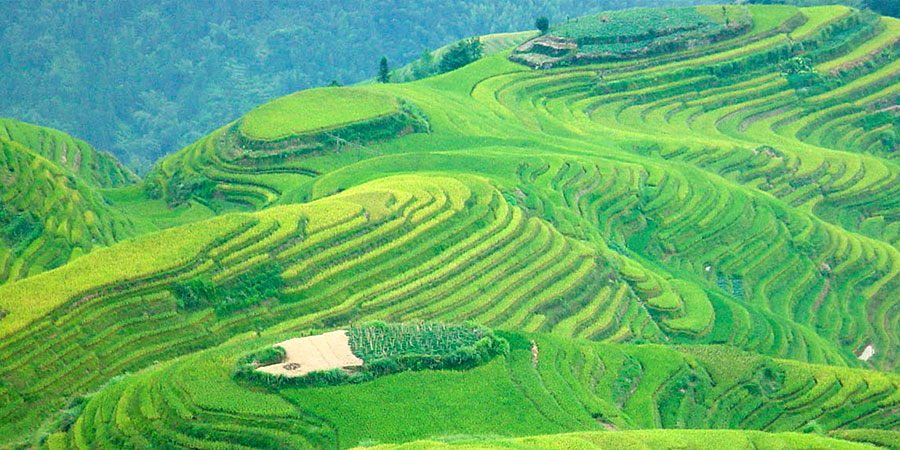
Sapa Terraced Fields
|
Weather of Vietnam by Region & Travel Recommendations
Northern Vietnam: Hanoi, Hay Long Bay, Sapa, and etc.
Weather:
In northern Vietnam, the spring from March to May and the autumn months from September to November feature mild weather conditions, characterized by ample sunshine and average temperatures ranging between 20 and 25℃ (68 to 77℉). The pleasantly wild climate provides favorable conditions for outdoor activities, including hiking and cruising in Ha Long Bay.
In summer, from June to August, temperatures can reach nearly 40℃ (104℉) and typhoons begin to occur. In the hottest afternoons, coupled with the high humidity, makes you feel like in a sauna room and forces you to stay in an air-conditioned room.
During winter, from December to February, temperatures typically range between 10 to 15℃ (50 to 59℉). The climate is generally cool but not severely cold, particularly with the addition of outerwear. However, in the Sapa region, temperatures may drop to around 0℃ (32℉), and occasional snowfall can occur.
See also: Hanoi Weather
What to bring:
Clothes & Shoes: Mainly bring T-shirts, shorts, dresses, and sun-protective jacket. In spring and autumn, better to add jeans and light jackets. In winter, bring sweaters and warm coats. Especially in Sapa, it’s best to bring cotton-padded clothes, down jackets, hats and gloves.
Others: Mosquito repellent water in summer.
Southern Vietnam: Ho Chi Minh City, Phu Quoc Island, and etc.
Weather:
The southern part of Vietnam fully displays a tropical charm. The temperature of around 22 to 35℃ (72 to 95℉) makes the south feel like summer all year round. Additionally, the region exhibits a clearly defined distinction between the rainy season and the dry season. During the rainy season, from May to October, in addition to the high rainfall, typhoons also occur with high frequency.
See also: Ho Chi Minh Weather
What to bring:
Clothes & Shoes: thin and breathable T-shirts, shorts, dresses, sun-protective jackets, casual shoes, sandals.
Others: mosquito repellent water, sun glasses, umbrella.
Tips
1. Many indoor attractions in Vietnam lack air conditioning, such as the Ho Chi Minh Museum, Ho Chi Minh Reunification Palace, and Ho Chi Minh City Fine Arts Museum; therefore, carrying a portable fan is recommended for getting some release if traveling there in hot days.2. If you want to take beautiful photos of the “crystal sea” in Ha Long Bay, it is recommended that you choose a sunny day. On cloudy days, the water appears murky and grey, which is not ideal for photography.
3. If you want to take a city walk in the streets and alleys of Ho Chi Minh City, it’s best to choose the morning or evening. The intense heat at noon can cause severe dehydration and discomfort.
4. It’s best to avoid traveling to Vietnam in the rainy season. You will not only feel hot but also sticky all over. If travel during this period is unavoidable, it is recommended to prepare a pair of flip-flops, as they are the most practical and easy-to-clean footwear option for walking through wet areas.
|
|
|

You May Like
-
 7 Days Private Tour to Hanoi - Ha Long Bay - Ho Chi Minh City - Ben Tre - Ho Chi Minh City from USD1151
 -
 9 Days Private Tour to Vietnam, Highlighted by Ho Chi Minh City - Hoi An - Hanoi - Ha Long Bay from USD1521
 -
 14-Day Vietnam Private Tour with Hanoi - Sapa - Ha Long Bay - Ben Tre - Ho Chi Minh City and more from USD2137