

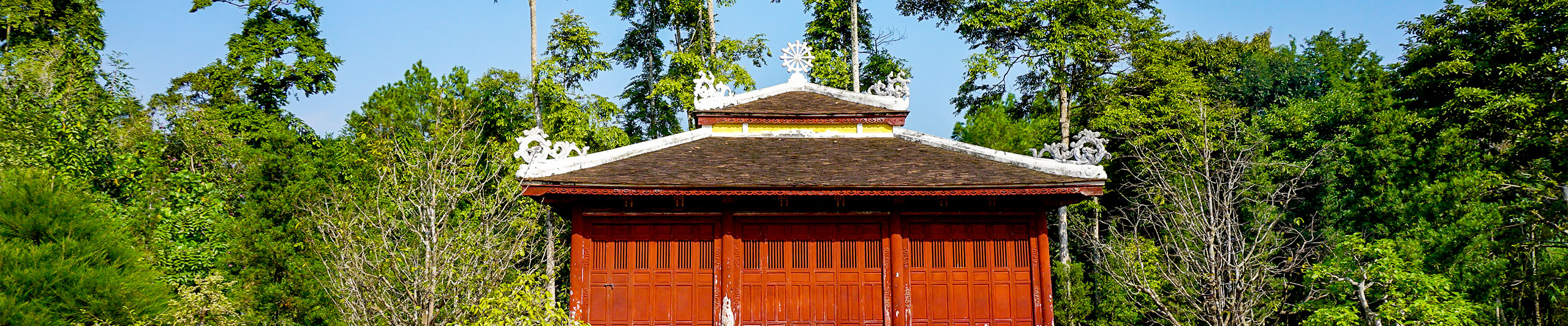

Vietnam Weather in March

North Warms Up, South Stays Hot
The significant regional temperature differences persist in Vietnam due to its large north-south geographical span. Although northern Vietnam is experiencing a warming climate in March, it remains much cooler than the south.In northern capital, Hanoi, daytime highs remain largely stable between 20 and 28 degrees Celsius (68 to 82 degrees Fahrenheit), with nighttime lows no longer falling below 15℃ (59℉). On certain days, maximum temperatures even approach 30℃ (86℉). Even in Sapa, the northernmost region, temperatures do not drop below 10℃ (50℉). This means that travelers to northern Vietnam need not pack heavy clothing such as down jackets or thick outerwear any more.
Talking about the south, the temperature has also slightly risen compared with the previous two months, presenting a lush summer scene. For instance, in Ho Chi Minh City, daily maximum temperatures frequently surpass 35℃ (95℉), with the peaks reaching up to 38℃ (100℉) during midday hours. Coupled with the high humidity caused by the coastal location, staying in such an environment for a long time significantly increases the risk of heatstroke. Therefore, if you are a city walk enthusiast, you may only be recommended to go out in the early morning or late evening.
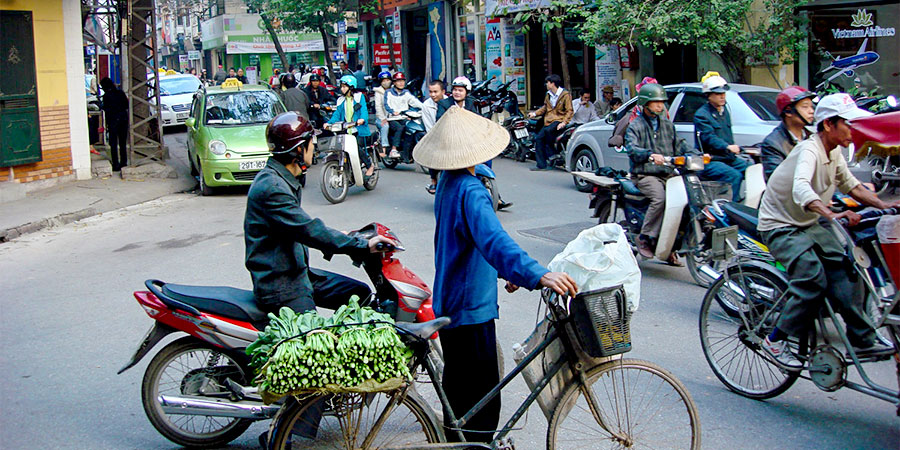
Ho Chi Minh Market in the Morning
|

Rainfall: Generally Low
Average precipitation: 25mm from 7 rainy days
In March, the whole Vietnam experiences relatively dry climate. However, there are some regional differences.
The north, undergoing seasonal transition from cool or cold winter to hot or warm spring, is characterized by some intermittent and brief rainfalls, with slightly higher precipitation levels than those observed in winter. Hanoi serves as an example: the city records up to 15 rainy days in March, accumulating a total precipitation of 44 mm. Although the rainy days account for half a month, the average daily rainfall is less than 3mm. This is equivalent to just a few drizzles lasting 1 to 2 hours, which won’t affect the overall sightseeing plan.
In the southern regions, not yet entering the rainy season, rainfall remains stably low. For instance, in Ho Chi Minh City, there are only two days of rain in March on average, with a total precipitation of just 10mm. The rainfall is so minimal that it’s barely noticeable.
The central region, as an exception, experiences a changeable precipitation condition. For instance, in Hue, daily rainfall can exceed 40 mm, a volume comparable to Hanoi’s monthly precipitation. Such intense rainfall leads to water accumulation on roadways and directly affects travel plans, so it is essential to check the weather forecast in advance and carry an umbrella when going out.
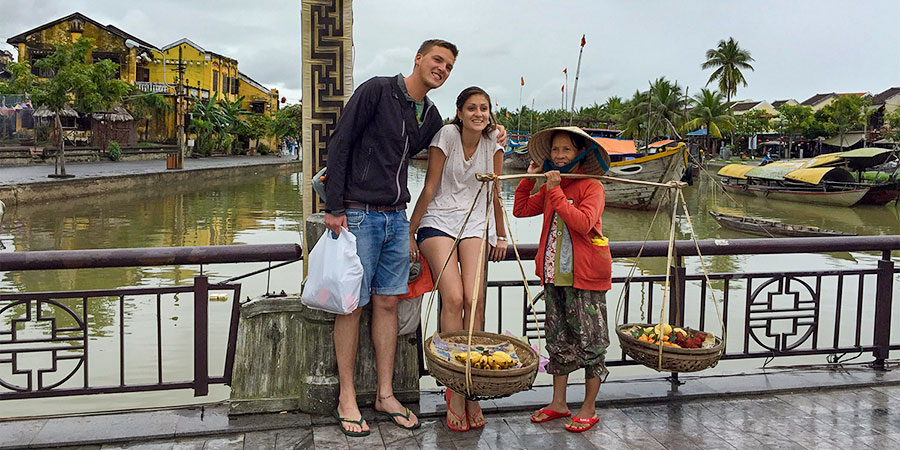
Hoi An in Rain
|


|
|
Is March a Good Time to Visit Vietnam?
Yes, March can be categorized into the best time to tour the entire Vietnam.From a climatic perspective, temperatures in the north have risen, with the chill completely fading away; while in the south, though still hot, it has not yet reached the sweltering peak of summer. Coupled with the scarcity of precipitation, it is particularly suitable for outdoor activities. Tourists may arrange more activities such as mountain climbing and hiking.
From a landscape perspective, you can enjoy the most diverse and vivid scenery. Due to the arrival of spring in the north, plants are in their prime growth period. You will have a chance to witness a wide variety of flowers blooming like during your hiking up Mount Fansipan. As for flower admiration in the south, Dalat is the best destination.
From the perspective of tourist flow, the celebration of Tet (Vietnamese New Year) in February has concluded, and many local tourists have returned to work. As a result, March falls within a relatively low-demand travel period, making it an ideal time to visit various destinations without concerns about overcrowding.
How to dress for Vietnam in March?
Northern Vietnam:
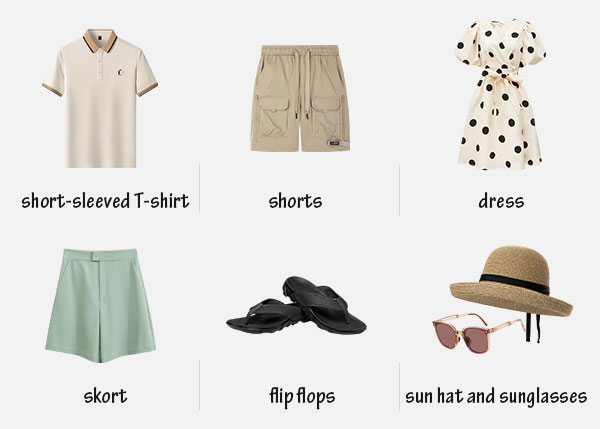
During the day, lightweight clothing such as short-sleeved T-shirts, breathable shirts, dresses, light trousers, and thin jeans is suitable. Early mornings and late evenings are cooler, so it is advisable to pack long-sleeved shirts, lightweight jackets, and thin knitted cardigans for added warmth. For travelers visiting Sapa, a slightly heavier windbreaker is recommended.Southern Vietnam:
Just bring short-sleeved T-shirts, shorts, skirts, dresses and sun-protective clothing. If you are worried about sweating a lot, consider taking quick-drying clothes. Moreover, to keep your feet cool, you can bring flip flops or sandals.
|
|
|

Travel Recommendations
March enters the best time to visit the northern mountainous regions: free from the damp cold of winter and the heavy rains of summer, the area enjoys mild temperatures, minimal precipitation, and scenic landscapes adorned with blooming spring flora. Both the natural scenery and the overall trekking experience are exceptional.Fansipan: A Rhododendron Sea Above Clouds
Such pleasant climate in March brings the wild rhododendrons on Fansipan into full bloom. The red, pink, white and yellow rhododendrons interweave along the trails, blending with the billowing clouds at the summit to create a unique floral landscape.Dong Van Karst Plateau: An Oil Flora Painting of Karst
Red peach blossoms stretch along Highway 4C, pure white plum blossoms blanket the slopes and villages, and golden canola flowers dot the rock crevices. This three-color floral spectacle contrasts strikingly with the gray-brown karst rocks, turning every snapshot into a stunning image.
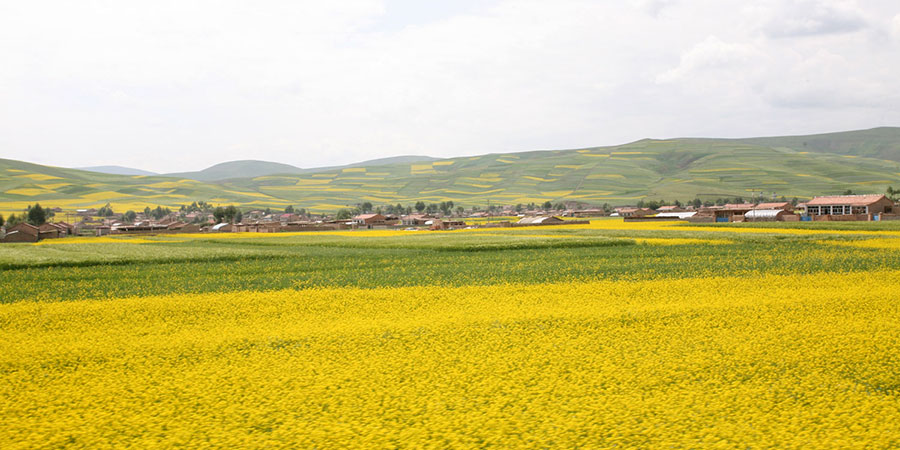
Canola Flowers in Dien Bien Phu
|
Tips
1. If you go mountain climbing, it is recommended that you wear long trousers to prevent mosquito bites and scratches from branches. Also, the ultraviolet rays are strong in high mountainous areas, so remember to reapply sunscreen in time.2. It is recommended to bring a windbreaker and a raincoat when climbing Fansipan, as the temperature difference between the summit and the foot of the mountain can be as high as 15℃ (59℉) and the weather is changeable.
3. For visitors whose primary travel purpose is floral viewing in March of 2026, it is recommended to plan a visit at the end of March. During the first half of the month, certain flowering species, such as rhododendrons, remain in the budding stage and have not yet reached full bloom.
|
March |
Temperature | Sunrise / Sunset |
Humidity (%) |
|
| High | Low | |||
|
Can Tho |
34°C/ 93.2°F | 23°C / 73.4°F | 07:25/ 17:32 | 44 |
|
Da Lat |
33°C / 91.4°F | 23°C / 73.4°F | 07:20/ 18:07 | 84 |
|
Da Nang |
33°C / 91.4°F | 22°C / 71.6°F | 07:56/ 18:38 | 79 |
|
Ha Long |
30°C / 86°F | 15°C / 59°F | 07:45/ 18:30 | 83 |
|
Haiphong |
29°C / 84.2°F | 14°C / 57.2°F | 07:08/ 18:13 | 72 |
|
Hanoi |
33°C / 91.4°F | 23°C / 73.4°F | 07:23/ 18:22 | 73 |
|
Ho Chi Minh City |
31°C / 87.8°F
|
23°C / 73.4°F | 07:41/ 18:34 | 79 |
|
Hoi An |
30°C / 86°F | 22°C / 71.6°F | 06:51/ 17:35 | 75 |
|
Hue |
30°C / 86°F | 17°C / 62.6°F | 06:58/ 16:36 | 72 |
|
Lao Cai |
29°C / 84.2°F | 24°C / 75.2°F | 07:44/ 17:48 | 57 |
|
Nha Trang |
30°C / 86°F | 15°C / 59°F | 07:03/ 18:11 | 74 |
|
Phan Thiet |
30°C / 86°F | 19°C / 66.2°F | 06:56/ 17:43 | 65 |
You May Like
-
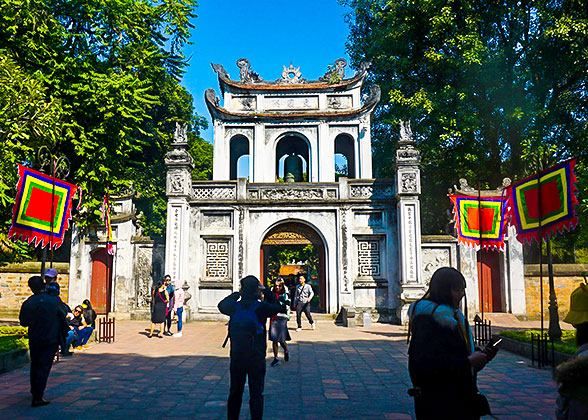 6 Days Private Tour to Hanoi - Lao Cai - Sapa - Hanoi - Ha Long Bay - Hanoi from USD899
 -
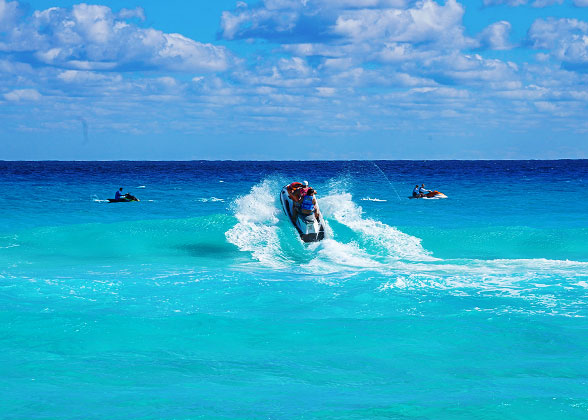 10 Days Private Tour: Ho Chi Minh City - My Tho - Ben Tre - Can Tho - Da Lat - Nha Trang from USD1345
 -
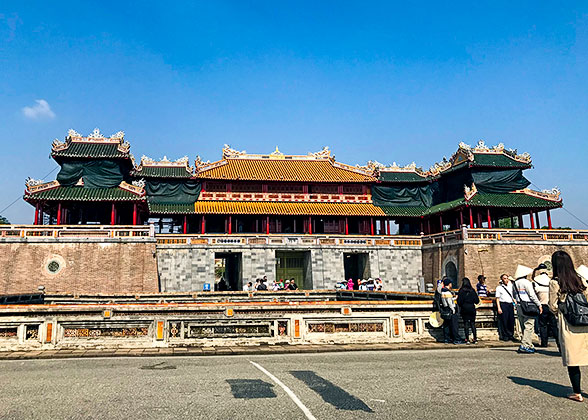 22 Days Immersive Private Tour for A Vietnam Panorama, including Hanoi - Sapa - Ha Long Bay -Da Lat - Ho Chi Minh City from USD3237