

- Mongolia Tourist Visa
- Weather & Best Time
- Travel Tips
- Transportation
Ulaanbaatar Weather
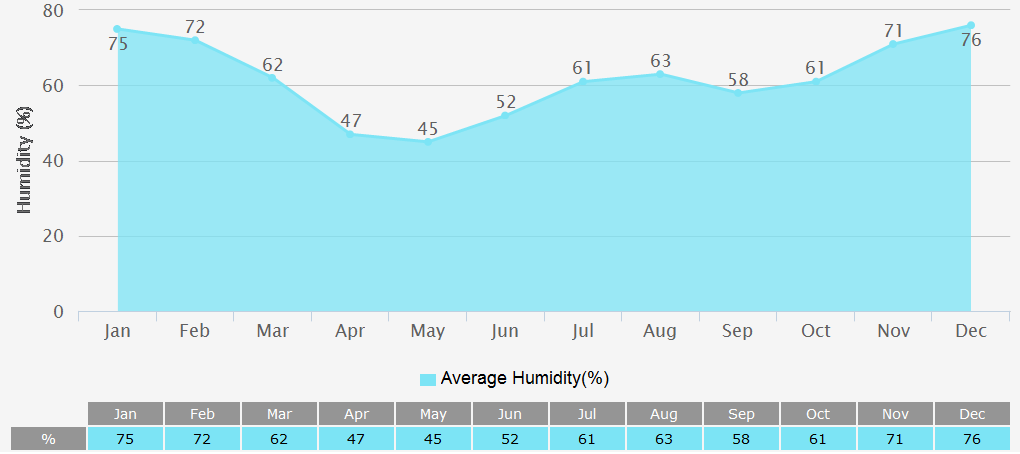
Ulaanbaatar, located in Central Mongolia, belongs to continental climate zone. It has four distinct seasons, including chilly spring, pleasantly warm summer, cool autumn and frigid winter. Winter in Ulaanbaatar is exceptionally long, lasting for six months from November to next April, and Ulaanbaatar is known as one of the coldest capitals in the world. Summer from July to August is the peak travel season. As an inland city, Ulaanbaatar has a pretty low precipitation, making people feel rather dry most of the time. However, it is endowed with abundant and bright sunshine, a favorable condition for visitors to travel around.

Temperature: Fluctuating Drastically
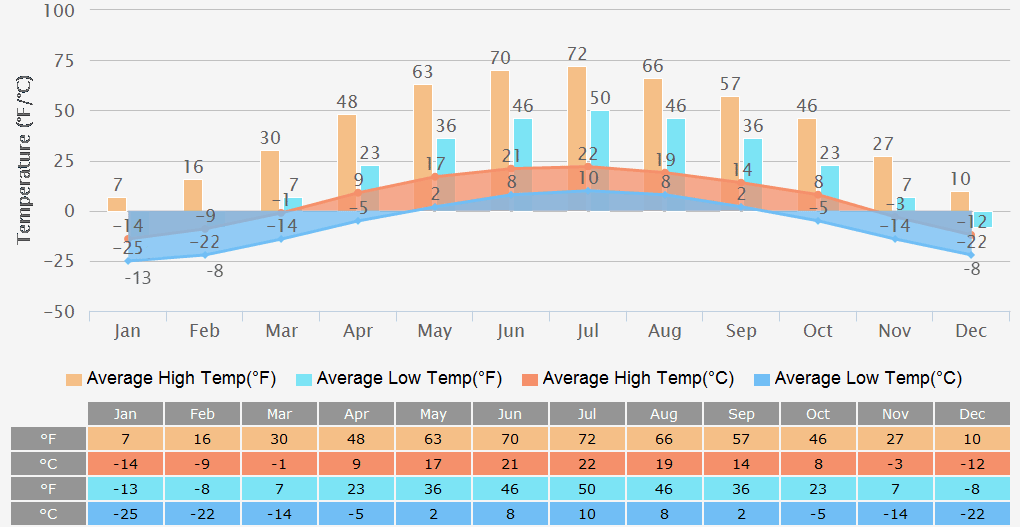
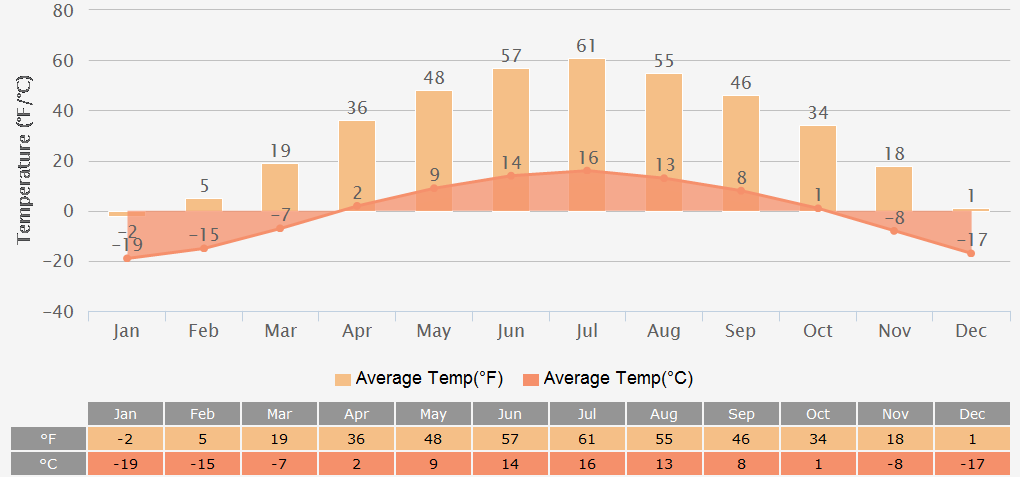
There is an extremely large temperature difference both daily and yearly with the average monthly high temperature ranging from -16 to 22 degrees Celsius (3 - 72 degrees Fahrenheit) and the low values fluctuating between -28 and 10℃ (-18 - 50℉). Sudden temperature drops can be commonly seen as well, and people there might even experience four seasons in only several days.
What is the Coldest Month in Ulaanbaatar?
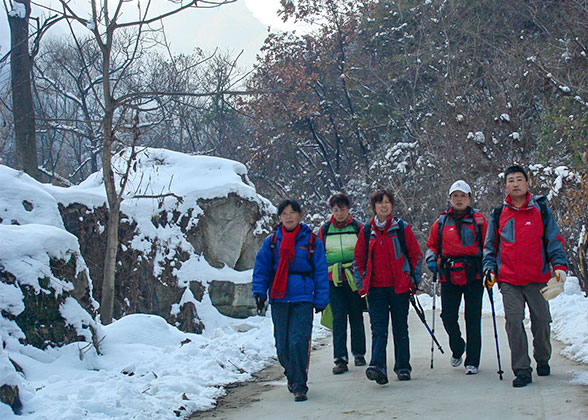
Undoubtedly, January is considered as the coldest month in Ulaanbaatar. In this time of the year, the daily high usually swings between -17 and -9℃ (1 - 16℉) while the low temperature between -26 and -19℃ (-15 - -2℉). Temperature below -30℃ (-22℉) is possible and it once even dropped to -40℃ (-40℉) in January 2023. The weather of Ulaanbaatar in January is so harshly cold that visitors might find their hair and eyelashes white and covered with thin frost after staying outside for several minutes.
|
|
|
What is the Hottest Month in Ulaanbaatar?
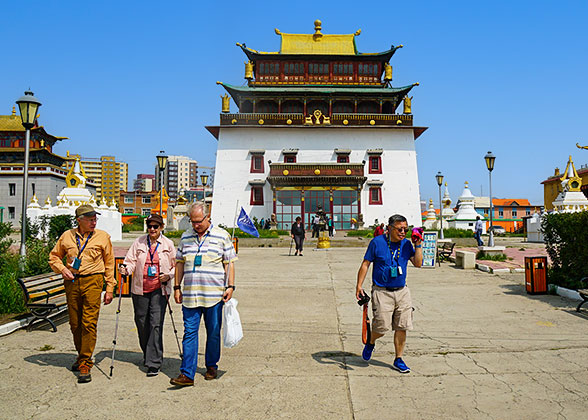
The hottest month in Ulaanbaatar is definitely July. Its daytime temperature normally ranges from 18 to 29℃ (64 - 84℉) and the nighttime one from 9 to 15℃ (48 - 59℉). Generally speaking, Ulaanbaatar climate in July, instead of hot, is pleasantly warm and cozy. In the early morning and late evening, it is a little cool and visitors need to put on their jackets.
Precipitation: Pretty Low
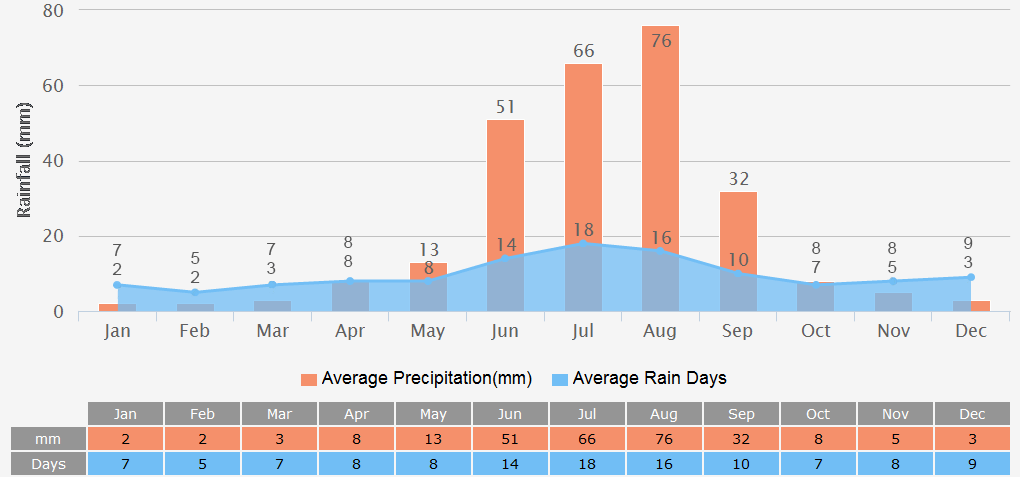
The precipitation in Ulaanbaatar can be described as scarce and low with annual average precipitation of only around 280mm (11 in) distributed over 110 days, so Ulaanbaatar weather is dry overall.
The precipitation is of seasonal variations. In June when there is a significant rise, Ulaanbaatar enters into the local rainy season, which lasts till September. August sees the most rainfall of the year.
However, even in rainy season, the monthly perception keeps below 80mm (3.2 in) and remains rare compared with other worldwide destinations. Therefore, you don’t need to worry that the rainfall would disrupt your schedule since its influence on your sightseeing is limited.
Sunlight: Abundant and Bright
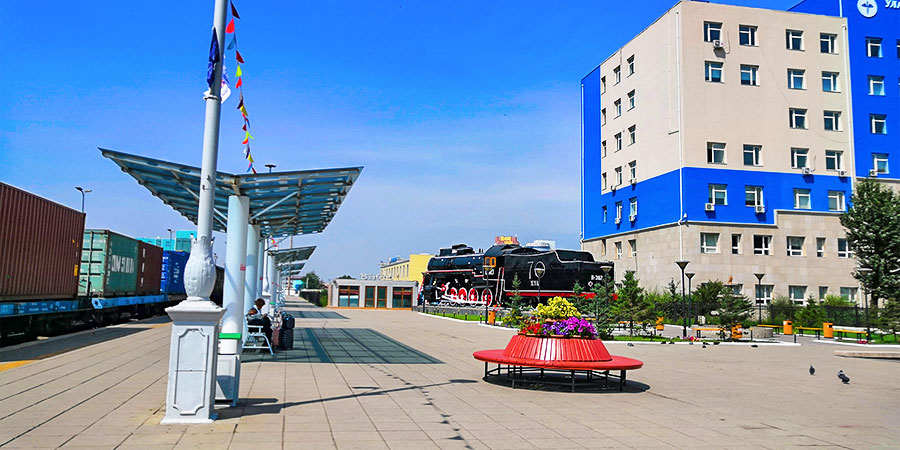
Ulaanbaatar boasts plenty of sunshine with the annual average of 2,790 sunlight hours and it enjoys 180 sunny days on average in a year. May sees the longest sunshine hours of 10 per day and December sees the shortest 5 hours per day. The UV index is relatively high from May to August and reaches its highest level of 8 in June and July, indicating sunscreen products are essential if you travel to Ulaanbaatar during this period in 2026.
Strong Sunshine in Ulaanbaatar
|
Sandstorm Season in Ulaanbaatar
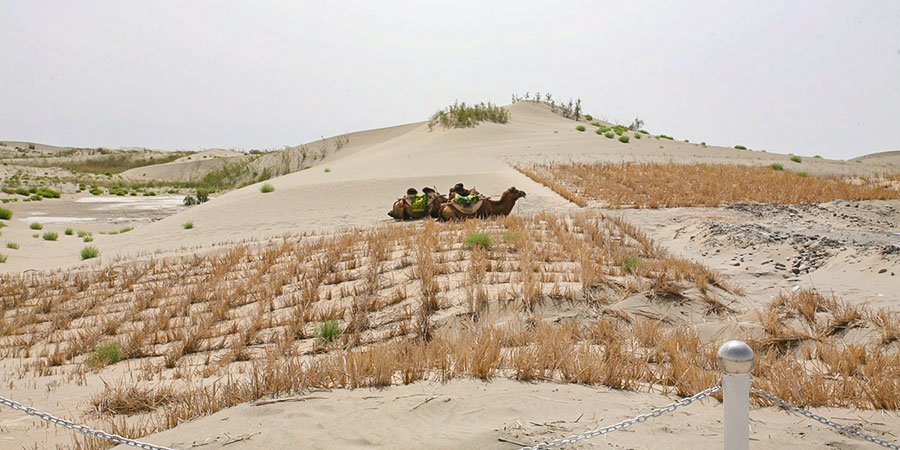
Sandstrom hits Ulaanbaatar mostly in March and April when frozen land melt with the rising temperature, the precipitation is still scarce and the ground remains barren with no vegetation cover. It might also occur in autumn, but occasionally. Sandstorm is usually accompanied with other terrible weather conditions such as strong winds, or snow storms.
Low Visibility in Dusty Days
|
When heavy sandstorm visits, transportation is influenced so greatly that flights, trains and even buses are delayed or cancelled and some scenic spots might be closed temporarily. Though it is a small-scaled sandstorm or a dusty day, visitors are not suggested to staying outside since the low visibility puts you in danger. You had better check sandstorm warning information frequently and make timely adjustments on your schedule.
Best Time to Visit Ulaanbaatar
The best time to visit Ulaanbaatar must be June to September for the following contributing factors.
First of all, the climate of Ulaanbaatar during this time is warm and cozy in general with moderate temperature and abundant sunshine. It is not scorching hot here and Ulaanbaatar is widely recognized as a summer resort to escape summer heat. Also, with average daylength of over 13 hours, visitors have more available time and can visit more attractions in one day. The opening time of most scenic spots is also extended, for example Mongolian National Museum is closed at 20:00 during this time, 3 hour later than that in winter.
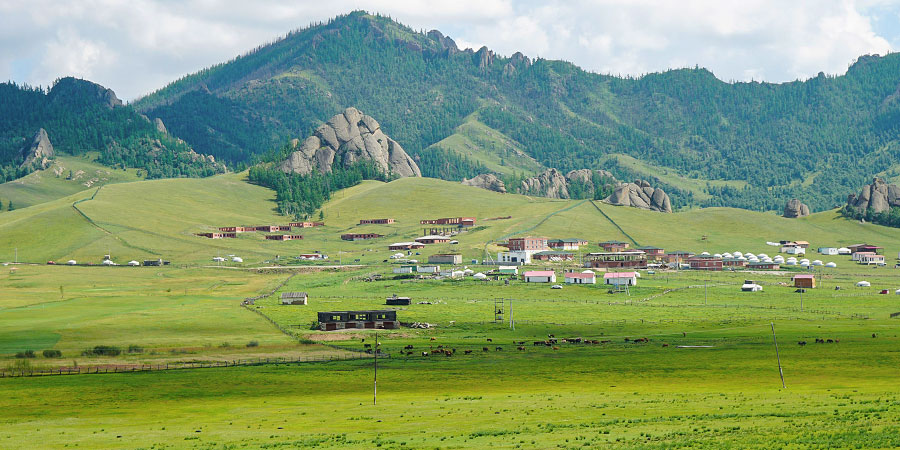
Lush Grassland in Summer
|
More importantly, the natural scenery in and near Ulaanbaatar is of unique beauty from June to September. Grasslands and forests in June are presented as light green, then turn lush green in July and August, and become golden in September.
Besides, Naadam Festival, the most important traditional festival in Mongolia, is held in July and provides a good chance for visitors to enjoy the excellent traditional competitions and experience Mongolia nomadic culture in person.
 Read more: Best Time to Visit Mongolia & Mongolia Weather
If you are ready to visit Ulaanbaatar in 2026, then read our Best Private Mongolia Tours.
Spring: May - June
Weather
With rising temperature, Ulaanbaatar gets warm in spring, but not stable as sudden temperature drops are commonly seen. It is possible that you wear long-sleeved T-shirt one day and need to change into a heavy sweater the next. The temperature also drops significantly after sunset and you may feel chilly if your hands are exposed to the air at night. June marks the onset of local rainy season with tripled precipitation. However, rainy days account for only one third of this season and it is usually drizzles and showers, causing no big troubles for you trip.
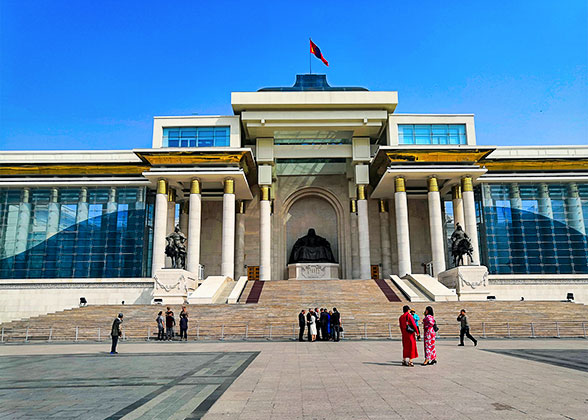
Sukhbaatar Square
|
What to Bring
Clothes: long-sleeved T-shirts, sweaters, hoodies, trench coats, thin down coats; long johns, jeans, sweatpants
Shoes: causal shoes with socks of different thickness
Others: sun-protective products like sunglasses, sunscreen cream and hats
Tips
1. On May 15 when it turns warm overall, heating system stops service. But sudden temperature drop is possible, especially when it rains; so, you had better book a hotel with air-conditioner.
2. Since May 15, most scenic spots in Ulaanbaatar have begun to follow the summer time schedule and extended their closing time from 17:00 to 20:00. But the opening time of each attraction is of slight difference and visitors should check them specifically.
3. Grasslands in Ulaanbaatar just start to revive green in May, remain light green in early June and finally turn to vibrant green in late June.
Summer: July - August
Weather
Instead of hot, summer in Ulaanbaatar is pleasantly warm and cozy, thus known as the best season for visiting there. The daytime max temperature, normally hovers around 26℃ (79℉); it might go above 30℃ (46-50℉) only occasionally. It makes you sweat when walking outside for a long time, but stay in shady places for minutes, you feel cool immediately. The UV index reaches the highest level of 8 during this time, which reminds you to prepare sunscreen products.
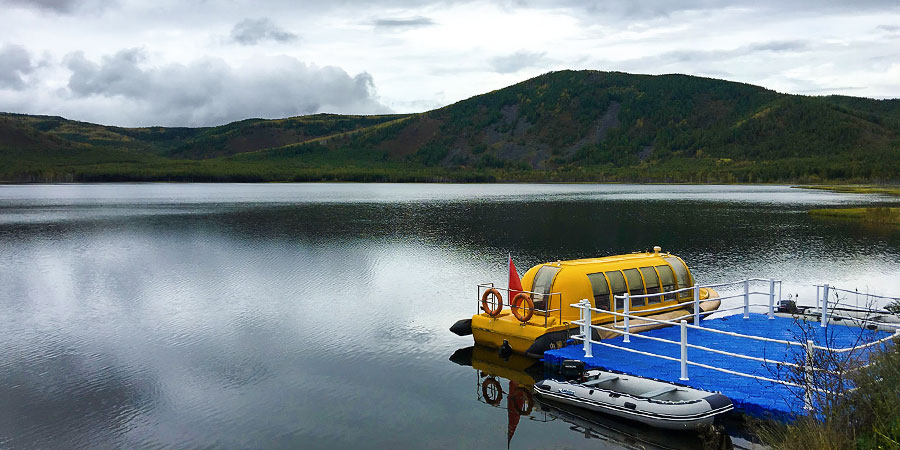
Rainy Season in Ulaanbaatar
|
July to August is the rainiest time of the year with the total rainfall accounting for almost 50% of the annual precipitation. Even though, the total number is not high, about 142mm (5.6 in) on average. There are 30 rainy days averagely and heavy rainfall occurs now and then; but luckily, it only lasts for a short time and then turns sunny and clear soon after.
What to Bring
Clothes: T-shirts, long-sleeved T-shirts, thin sun-proof coats, blouses, jackets, trench coats; shorts, skirts, summer dress, thin sweatpants, loose jeans
Shoes: scandals, comfortable sneakers, breathable socks
Others: sun cream, sunglasses, sunscreen hats, portable fans, umbrellas, mosquito repellent products
Travel Recommendations and Tips
1. Naadam Festival is held from July 11 to 15 in 2026. If you want to participate in, be sure to book flight tickets, hotels and performance tickets in advance since it enjoys great popularity among both visitors and local residents. The earlier you book, the cheaper the price is.
2. Traffic jam is extremely serious in peak travel season especially during festival days, and it might take hours from Ulaanbaatar airport to your hotel in urban areas. Therefore, visitors should ensure your time ample enough for the transportation.
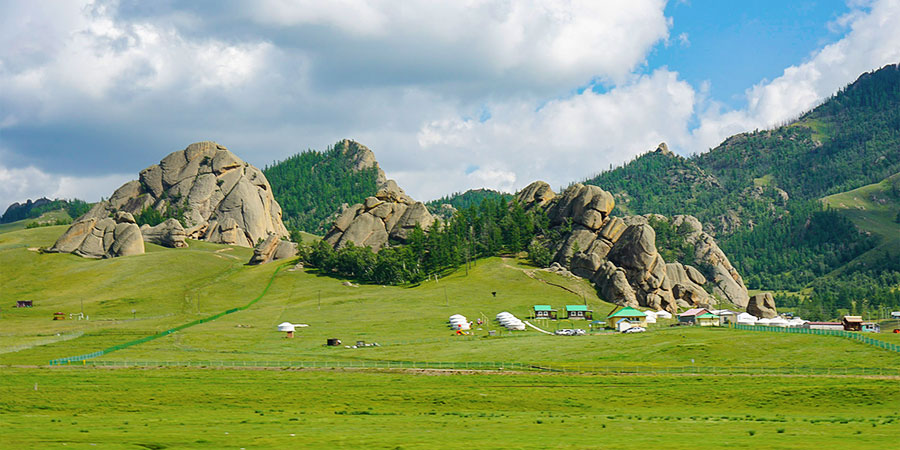
Terelj National Park in Summer
|
3. Grassland is in its most vibrant and luxuriant time and Terelj National Park is a good place to appreciate the fascinating scenery. About 70km (44 mi) far away from Ulaanbaatar, it boasts grasslands, forests and unique rocks.
Autumn: September - October
Weather
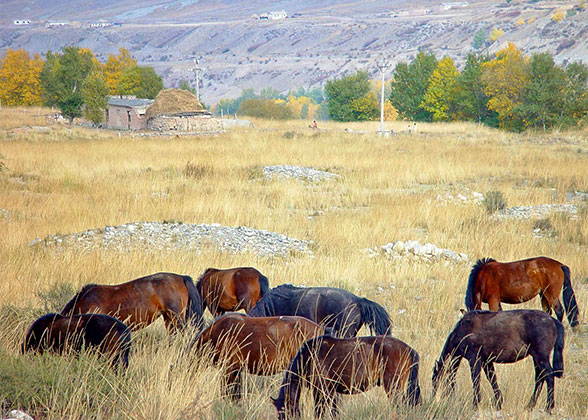
Autumn in Ulaanbaatar
|
What to Bring
Clothes: thermal underwear, hoodies, sweaters, leather coats, 3-in-1 windbreakers, thin down coats; long johns, thick sweatpants, fleece-lined jeans; hats, scarves, gloves
Shoes: anti-slippery casual shoes with thick socks, walking boots
Others: masks, skin-care products, lip pomades
Tips
1. Majority of scenic spots start to follow the winter time schedule from September 15 on and they are closed at 17:00, 3 hours earlier than that in summer. It reminds visitors to make reasonable arrangement in case of missing out any interested ones.
2. With the heating supplied since September 15, there exists large difference between indoor and outdoor temperature especially after entering October when the heating systems works more efficiently and the outdoor temperature is lower. Adjust your closing timely to avoid catching a cold.
Winter: November – Next April
Weather
Ulaanbaatar has a long, dry and frigid winter and the weather is changeable. It is not until March that you can see an obvious temperature rise. During winter, the scarce precipitation combined with the heating system working well makes it pretty dry and might lead to nose bleeding when waking up in hotel. Extreme weather is commonly seen as well, for example strong winds, blizzard and sandstorm.
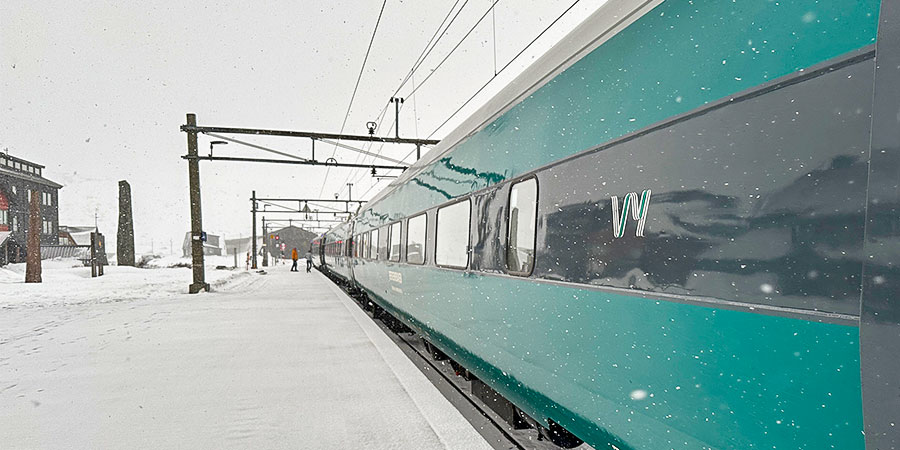
Heavy Snow in Winter
|
What to Bring
Clothes: thermal underwear, heavy sweaters, padded hoodies, 3-in-1 windbreakers, mink coats, long down coats; long johns, wind-proof trousers, fleece-lined sweatpants, down coats
Shoes: non-slip thick shoes, fleece-lined sneakers, snow boots
Others: masks, warm pastes, moisturizing cream, lip pomades
Travel Recommendations and Tips
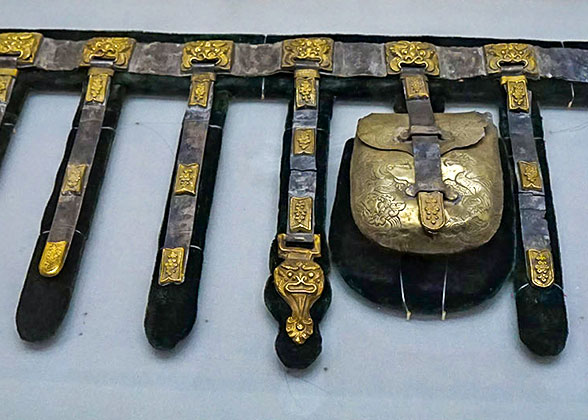
Exhibition in National Museum
|
2. Since most grazing districts in Ulaanbaatar keep warm by burning coals and cow dungs, the air quality in winter is quite low and you are suggested to wear masks when staying outside.
3. If you don’t have clothes thick enough to cope with the severe coldness, you can buy some in State-owned Department Store in Ulaanbaatar.