

- Attractions
- Transportation
- Weather
- Food
- Tour Planning
- Photos
- Videos
Best Time to Visit Kyoto
When is the Best Time to Visit Kyoto?
March, April, May, October, and November are the best times to visit Kyoto, when comfortable and steady weather conditions are ideal for traveling around in this historic city and natural views including pretty cherry blossoms and fiery-red foliage are quite worth a view.
|
|
|
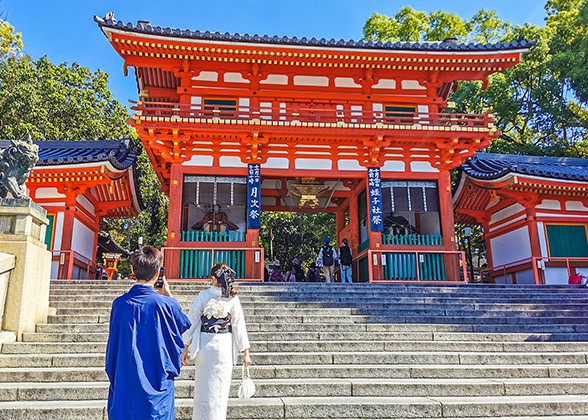
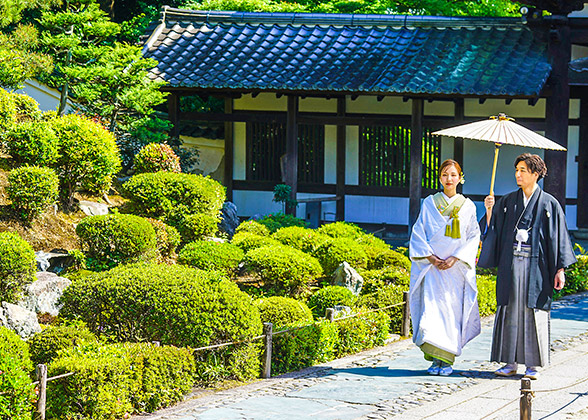
Warm and Less Rainy Spring Months
From March to May, the weather of Kyoto is agreeably warm, and precipitation is at a moderate level, which basically won’t affect your tour by much. No matter visiting various temples and shrines, having a city walk / ride, or enjoying sightseeing in the surrounding mountain areas, the climate of Kyoto will just make you feel pleasant. Besides, cherry blossom is the highlight in March and April, and the spring flower views can be found in both downtown and mountain areas.Comfortably Cool October and November in Autumn
After summer heat and also typhoon season, these two months are just quite comfortable for people to enjoy outdoor sightseeing. Both UV index and humidity are in relatively moderate ranges, so you won’t feel sunbaked or muggy during your trip. Moreover, these two months have fewer rainy days, and you have more opportunities to enjoy your visit under gentle sunlight. Plus, in these two autumn months, the remarkable foliage views including golden gingko leaves and red maple leaves are just in their prime.
Peak and Slack Seasons for Visiting Kyoto
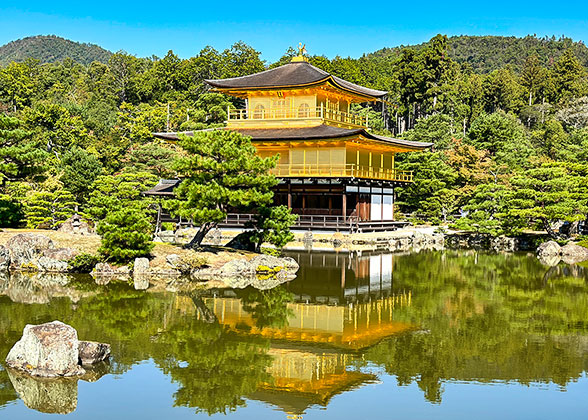
Kinkaku-ji Temple
January and February are the low season of Kyoto, since the cold and sometimes snowy climate then more or less influences people’s travel experiences. Fewer tourists come to the city for sightseeing in these two months, and thus travel expenses are lower. This period is only recommended for people who prefer quiet and economical tours and choose to tolerate low temperatures and less beautiful natural scenery.
June to September, and December form the shoulder season.
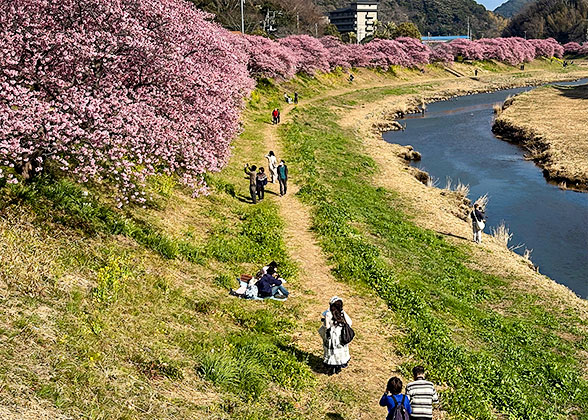
Best Time to View Cherry Blossoms: Late March – Early April
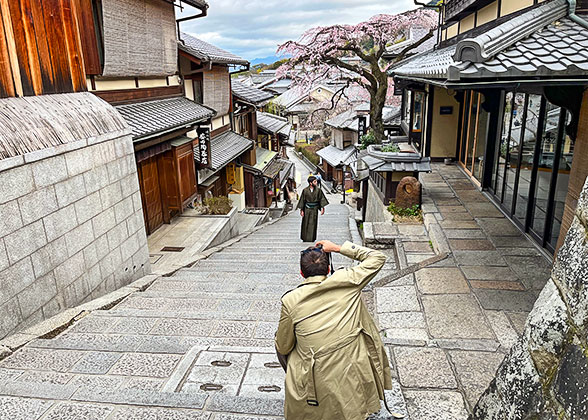
The most suitable period to admire Sakura scenery in Kyoto starts in the last few days in March, and the full-bloom stage of these blossoms lasts for about one week. In Kyoto’s iconic attractions such as the Kiyomizu-dera Temple and the Yasaka Shrine, delicate cherry blossoms become the most attractive highlight in this period. Moreover, the Maruyama Park and the Nijo Castle further open after sunset and illuminate the delicate flowers with gentle lights, making them even more impressive.
|
|
|
Best Time to View Red Foliage: Late November – Early December
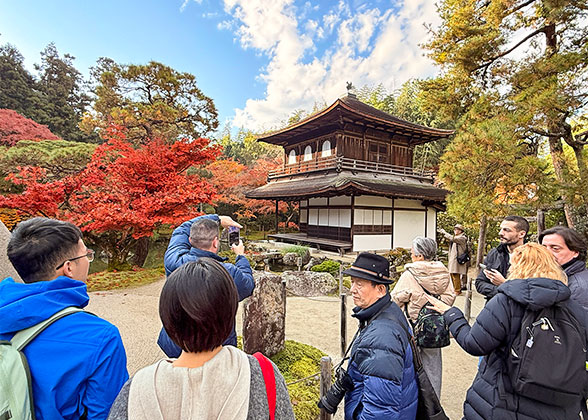
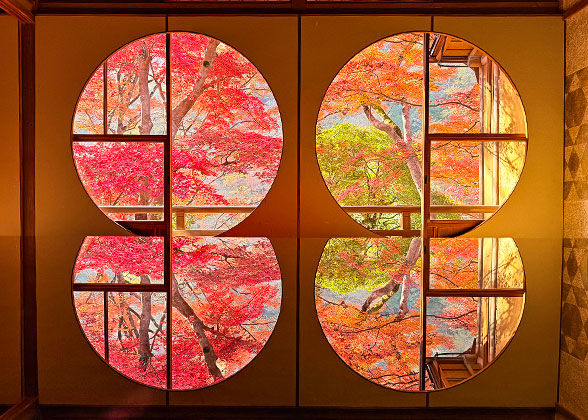
Another unmissable view in Kyoto is the red maple leaves, whose best viewing period is from late November to early December. By virtue of mountain-surrounded terrain, the city boasts various types of foliage sights. In the downtown area, the maple tree scenery in Toji Temple looks fabulous both in the daytime and at night. In the Arashiyama Scenic Spot, foliage scenery on the mountain can be viewed both by sightseeing train and drifting boat. Besides, the Rurikoin Temple and the Arashiyama Yusai-tei further provide excellent foliage views together with their reflections on tables.
|
|
|
Best Time to Experience the Culture of Kyoto
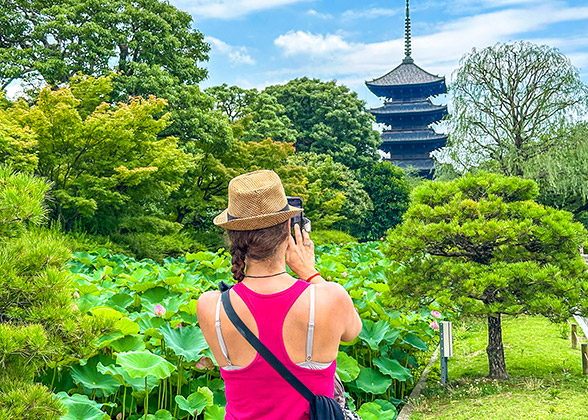
Best Time to Visit Temples and Shrines
|
|
|
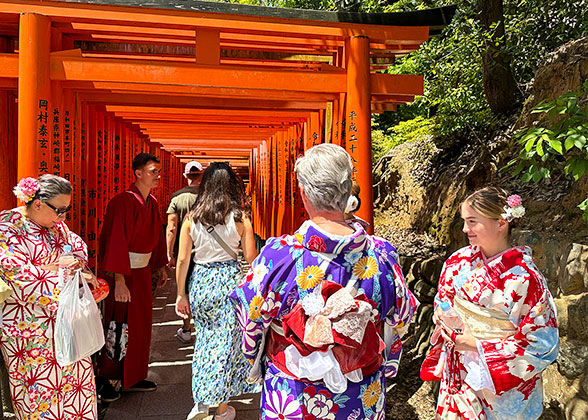
Best Time to Experience Festivals
For those who want to experience the most authentic festival celebration atmosphere in Kyoto, here are three periods to select: (1) May 15, when the Aoi Matsuri Festival is celebrated and you can view vast procession composed by 500 people; (2) July 17 and 24, when two processions are respectively held to celebrate the Gion Matsuri Festival; (3) October 22, when the celebration of the Jidai Matsuri Festival shows various features of different Japanese eras.Japanese Worship Ceremony at Shrine
Least Recommended Periods to Visit Kyoto, 2026
Hot and Rainy June - September
Hot days continue from June to September, and the peak plum rain season from June to July and the peak typhoon season from August to September respectively bring the city continuous rainy days and heavy rain, so it won’t be quite comfortable or smooth to fully enjoy a travel in this period.Crowded Public Holidays
Throughout the year, there are three main public holidays during which attractions are quite crowded and transport tickets are in great demand. They are: (1) Golden Week from May 1 to 6; (2) Silver Week from September 19 to 23; and (3) Obon Festival Holiday from August 13 to 16. In these periods, your travel experience may be not that comfortable.Besides, in the New Year period, quite a lot of visitors gather in this city to participate in celebrations in temples and shrines, thus making a quite long queuing period to get admission. An unfavorable situation may be: queuing on a cold winter night for hours just for a few minutes of participation in prayer activities.
Further Reading:
Best Places to See Sakura in Kyoto
5 Less-Crowded Places to See Red Leaves in Kyoto
Japan Cherry Blossom Dates Forecast in 2026
Japan Fall Foliage Forecast in 2026
Kyoto Weather by Month
7-Day Kyoto Weather Forecast