

Kagoshima Weather
 What is the weather like in Kagoshima?
Due to its southernmost location in Kyushu, Japan, Kagoshima has a subtropical maritime monsoon climate, with four different seasons. Spring from March to May and Autumn from September to November are mild and pleasant. Summer from June to August features hot weather and high precipitation; this is the hottest and rainiest time of the year. Winter from December to February is cold but in a pleasant way; there are heavy snowfall in the mountainous areas.
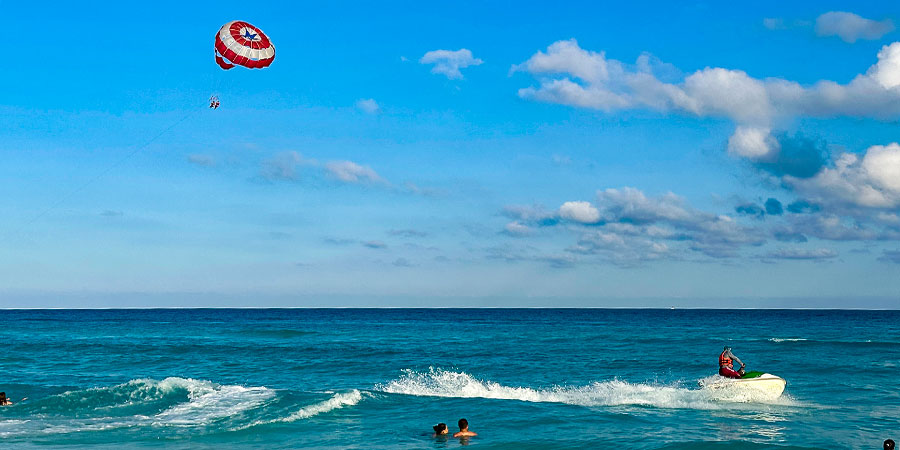
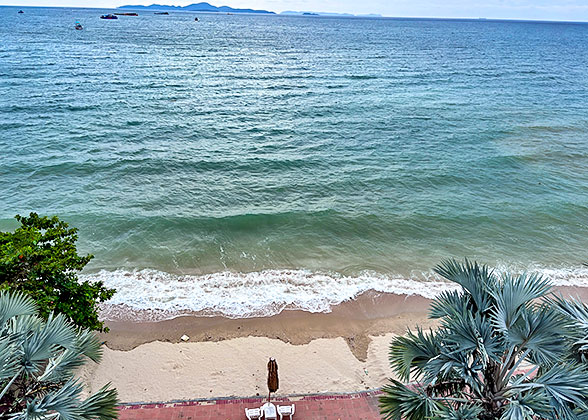
Sea View of Kagoshima in Summer
|
Temperature
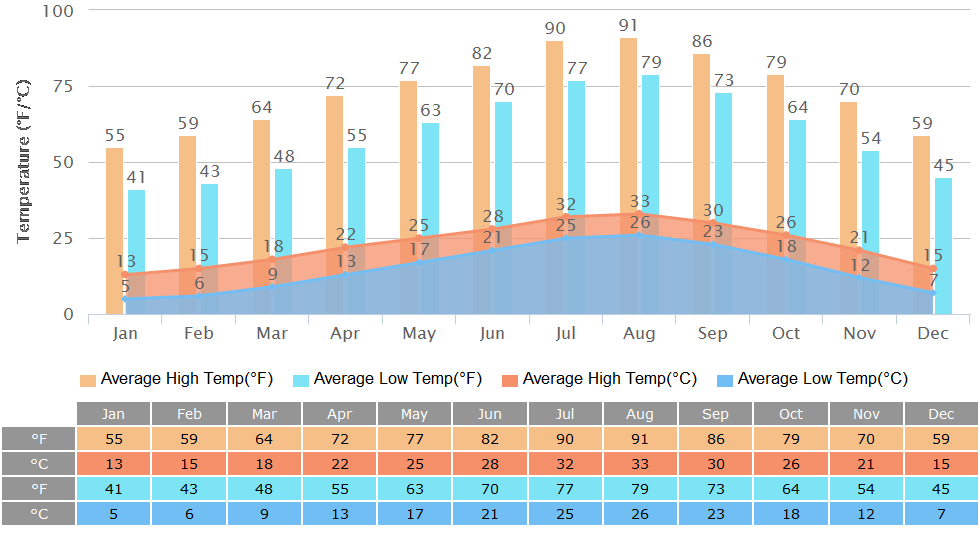
Kagoshima’s annual temperature variation is not large thanks to the regulatory function of the surrounding ocean. In August, the hottest month, the daily highs are often at 30-33 degrees Celsius (86-91 degrees Fahrenheit), seldom exceeding 35℃ (95℉) like in other subtropical regions. In the coldest month January, the lowest temperature rarely drops to below 4℃ (39℉).
However, the daily temperature variation is considerable during the transition seasons, exceeding 10℃ (50℉).
Precipitation & Humidity
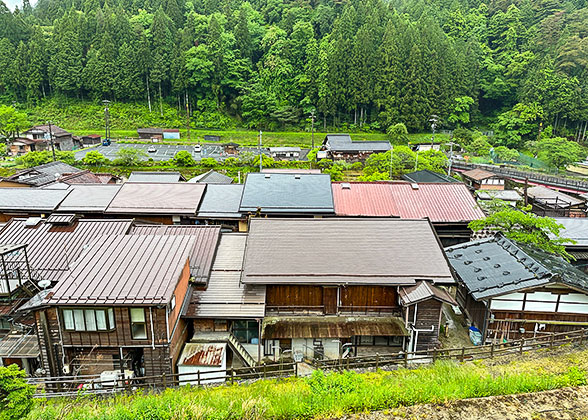
Kagoshima in Rainy Month
|
Generally speaking, the air is humid all year round in Kagoshima, with the monthly average humidity no less than 65%. Therefore, you might feel sticky in summer when the temperature is high. But it’s relatively comfortable in other times.
Does Kagoshima have snow?
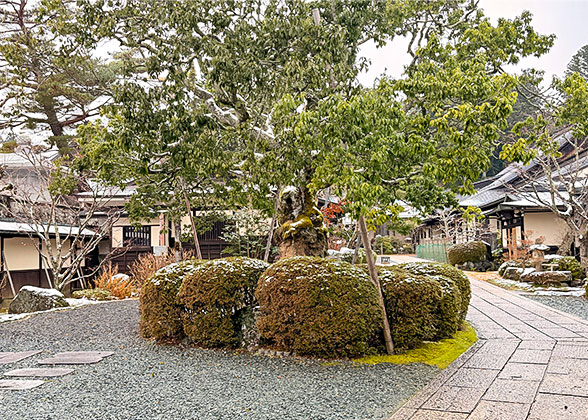
Yes. The first snow usually falls between mid-December and early January. Normally, in the downtown areas of Kagoshima, it is light snowfalls or sleet and would occur for only a few times throughout the whole winter, so you can hardly see snow accumulations here. However, there are always exceptions. For instance, in January to February 2025, there were several heavy snowfalls because of the presence of cold current, whitening the branches and grounds of parks. That said, you can expect heavy snowfalls and beautiful snow-covered landscape in the mountainous areas every winter.
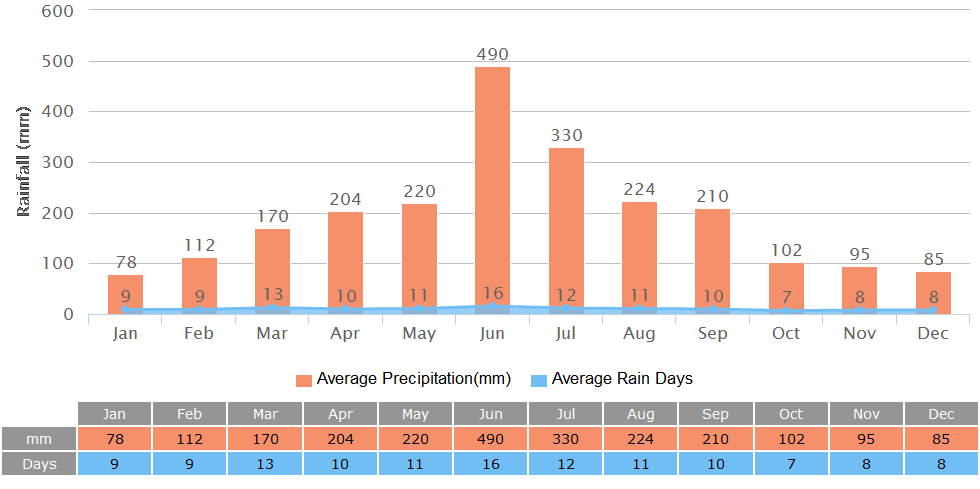
Humidity Graph of Kagoshima
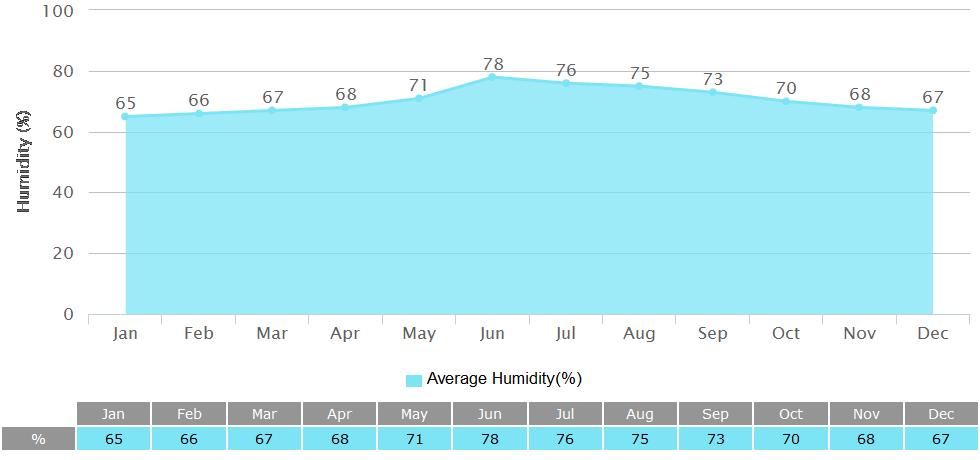
Does Typhoon Affect Kagoshima?
Yes. Kagoshima is highly susceptible to typhoons, with observations of typhoons making landfall from June to October, and the period from July to September being the most active typhoon season. According to the historical statistics, Kagoshima is affected by typhoons for about 7 to 10 days a year on average. During these days, strong wind is usually accompanied by heavy rainfall, which can lead to the suspension of train services and the closure of tourist attractions, seriously affecting travel. Therefore, tourists who are going to visit Kagoshima during the typhoon season in 2026 must pay close attention to weather forecasts and travel safely.
When Is the Best Time to Visit Kagoshima?
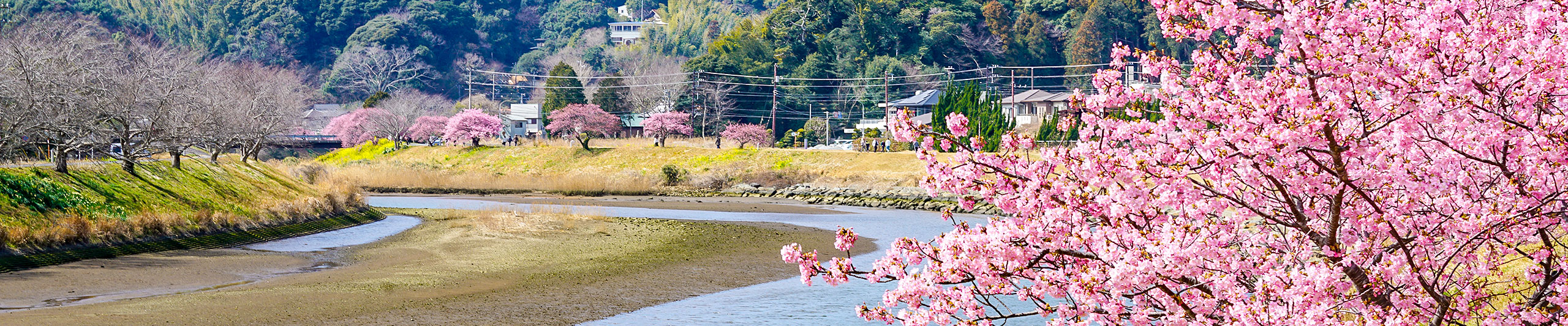
The best times to visit Kagoshima are March to May and October to early December. These two periods both feature mild temperatures and precipitation. Besides, the natural scenery is attractive: March to May sees vibrant plants growing and flowers blooming. Particularly during the Sakura season from late March to early April, places such as the Sengan-en Garden, Hirakawa Zoo, and Yoshino Park are all covered with beautiful pink cherry blossoms. While October to early December witnesses Kagoshima turning from lush green to colorful warm hues.
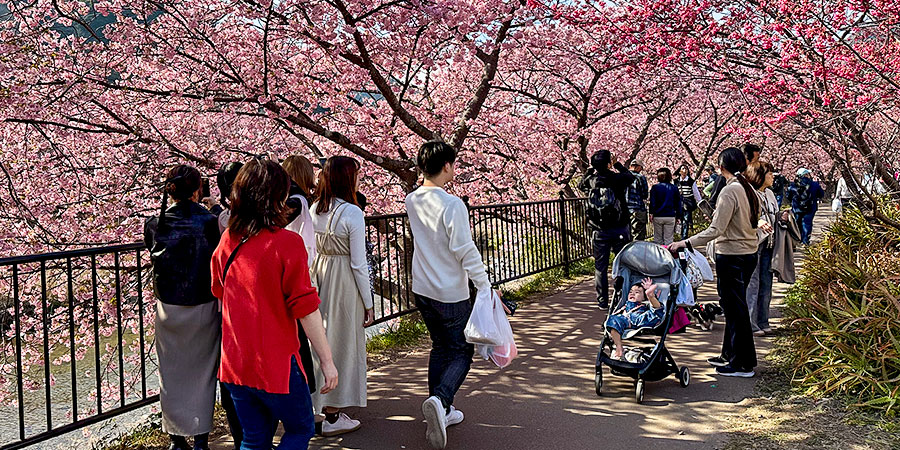
Admiring Beautiful Cherry Flowers
|
Read more: Best Time to Visit Japan & Japan Weather
Kagoshima Climate by Month, Dressing Guide & Travel Highlights
January
Although January is the coldest month of the year in Kagoshima, the minimum temperatures in most areas are oftentimes at 2-7℃ (36-45℉), and the maximum temperatures at 8-14℃ (46-57℉). Therefore, you are not likely to experience frigid climate here this month. Still, a thermal inner layer plus a down coat are recommended for keeping warm. As for the lower body, it’s ok to add a pair of long johns inside your thick sweatpants and wear thick hiking boots.Although you can hardly see snow scenery in the downtown, the famous Sakurajima Volcano is usually beautifully snow-capped in January to February, and Yunohira View Place is a good spot for it.
February
The temperature is slightly higher in February, with daily highs ranging at 10-15℃ (50-59℉), and daily lows at 4-10℃ (39-50℉) mostly. In the second half of the month, there can be several days with the maximum temperature reaching 18-22℃ (64-72℉), when you will feel quite warm and a sense of spring.
|
|
|
March
In early March mostly, Kagoshima still experiences chilly climate, so sweater plus windproof jacket are needed. Thereafter, the temperature rises evidently. By late March, it’s about 14-22℃ (57-72℉) during daytime, making you feel comfortably warm wearing only shirt plus a light hoodie. However, considering the obvious temperature gap between day and night and also the possibility of rainfall slightly carrying away the warmth, you’d better bring an extra outer wear like a trench coat.
April
Chills may still linger in the early days of April, especially during the time when the sun is absent. In the middle to late month, it’s already warm enough with the maximum temperatures maintaining at 18-24℃ (64-75℉), and minimum temperatures at 14-18℃. Delightfully, you can wear lighter clothes like a long-sleeved shirt or a light hoodie; female tourists can also wear spring dress on sunny days.
What you need to pay attention to is that the precipitation is getting higher than previous months, and heavy rainfall is possible, so remember to pack rain gear when you hang out. Besides, the UV ray is getting stronger from April on till October, with the average UV index of no less than 7. Accordingly, you need to apply sunscreen and wear a sunhat particularly when it’s sunny.
May
In May, there are seldom significant temperature fluctuations. Instead, it generally remains at 22-26℃ (72-79℉) during the day; and daily lows rarely drop to below 15℃ (59℉). Therefore, you can feel free to bring some cool clothes, such as short-sleeved T-shirts, loose and thin trousers, or even shorts and skirts.
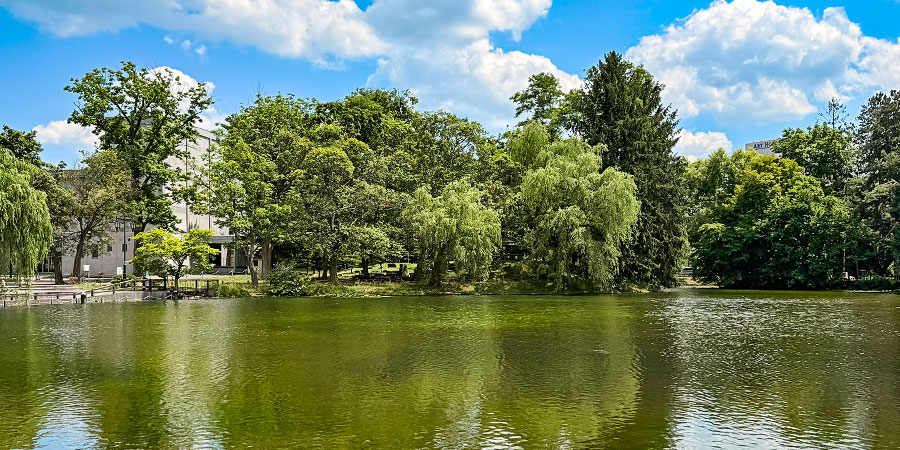
Kagoshima in Sunny May
|
June
In June, the weather in Kagoshima gets hot, yet it is at a bearable level most of the time, with temperatures at about 24-30℃ (75-86℉) during the day; in early and late afternoon, it’s cool at 18-26℃ (64-79℉). In late June, it’s possible that daily highs can reach over 32℃ (90℉). Besides, the precipitation is particularly high since Kagoshima has entered its rainy season in this month, which usually lasts till mid-July.July and August
July to August is hot here in Kagoshima, with the maximum temperatures of 32-35℃ (90-95℉); even the minimum temperatures are frequently above 27℃ (81℉). To make things worse, high humidity together with the high temperature in these two months easily cause the climate to be very muggy.
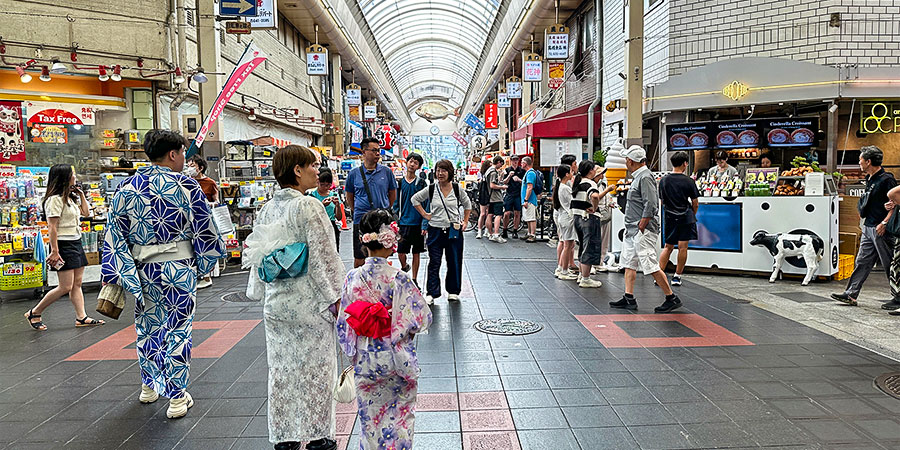
Wearing Yukata in Hot Summer
|
To cope with the uncomfortable weather, it’s suggested that you bring breathable, easy-to-dry clothing and shoes. Additionally, you can bring a portable fan so as to dissipate the heat.
Travel Suggestions:
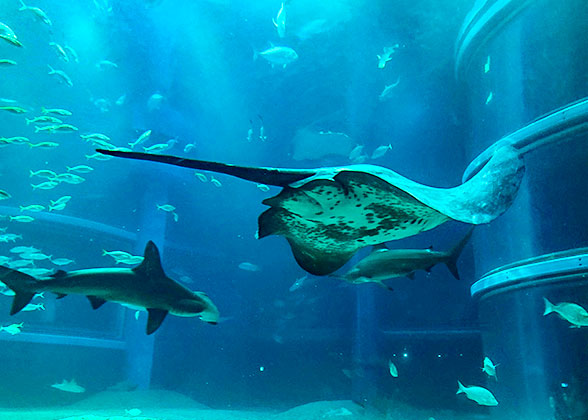
1. The summer heat and frequent rainfall during June to August can be a big obstacle for your outdoor sightseeing. But don’t worry a lot. During rainy moments, you can choose to visit indoor attractions like the Kagoshima City Aquarium and Museum of the Meiji Restoration that will impress you as well.
2. If you’d like to go shopping or explore local delicacies while enjoying the cool air conditioning, Tenmonka Area is highly recommended.
3. Although it’s hot in summer here, the sea temperature is just right, averaging around 24-28℃ (75-82℉). There are many beautiful and high-quality sea-bathing resorts along the long coastline of Kagoshima for you to enjoy and cool off.
|
|
|
September
In September, it’s still hot, but less intense, with highs at about 29-33℃ (84-91℉), and lows of 22-28℃ (72-82℉). And because typhoon is prone to strike, heavy rainfall is also highly likely.
October
Comfortingly, the weather starts to cool down from October when the maximum temperatures fall from roughly 30℃ (86℉) to 21℃ (70℉), and minimum temperatures from 25℃ (77℉) to 14℃ (57℉). And the typhoon season is finally coming to an end, coupled with decreasing rainfalls. Basically, the climate of this month is more favorable than before, and more suitable for traveling.
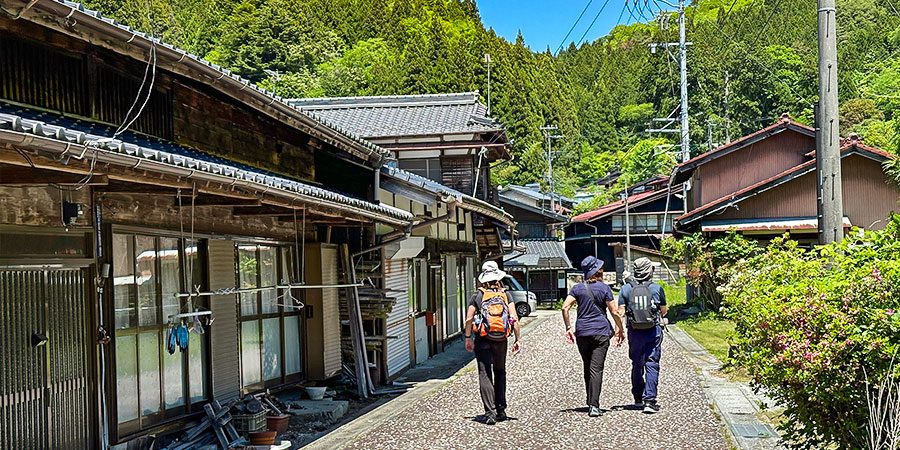
Hiking in Comfortable Sunny October
|
November
In November, it’s cozily cool at 18-24℃ during daytime, but the temperature difference can be great between day and night, with the maximum gap of about 10℃ (50℉). To illustrate, while you feel quite comfortable wearing just a light hoodie during most of the days, you can feel a bit chilly after sunset when the temperature quickly drops if you’re not properly dressed. To deal with this, better to take a thicker outer coat like a 3-in-1 jacket with you. As the rainfall is much lower, your travel experience would be much more enjoyable.
December
December sees a dropping trend of temperatures. In the early month, it’s very cool with highs at 12-18℃ (54-64℉) and lows at 6-11℃ (43-52℉). It’s wise to bring different layers of clothes like long-sleeved shirt, thick hoodie, cardigan, and windbreaker as well as sweatpants. From mid-December on, the cold air begins its expansion in Kagoshima, causing the temperature to further decrease. However, the weather is cold in a mild way mostly, not frigid.
Travel Delights:
1. Kirishima Jingu Shrine, located in the Kirishima-yama, is one of the most popular places for autumn foliage in Kagoshima. In mid-November to early December every year, spectacular red maple leaves enhanced the solemnity and serenity of it. Here you can also rent beautiful kimonos and take pictures with the beautiful scenery around.
2. Ibusuki is famous for its “sand onsen”. Just imagine what a unique travel experience for you to enjoy a warm sand bath while admiring the beautiful autumn landscape.
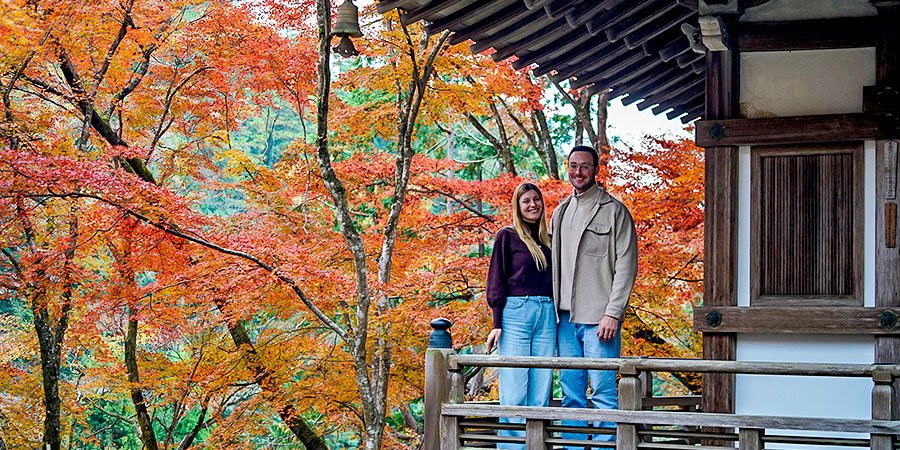
Kagoshima Autumn Foliage
|
You May Like
-
 10 Days Private Tour of Tokyo - Mt. Fuji - Tokyo - Nagoya... from USD3809
 -
 13 Days Private Tour of Tokyo - Kamakura - Tokyo - Mt. Fuji... from USD4443
 -
 11 Days Mini Group Tour to Tokyo - Hakone (Mt. Fuji) - Kyoto... from USD3554
 -
 7 Days Mini Group Tour to Tokyo - Mt. Fuji - Kyoto - Nara - Osaka from USD2155