


Otaru Weather
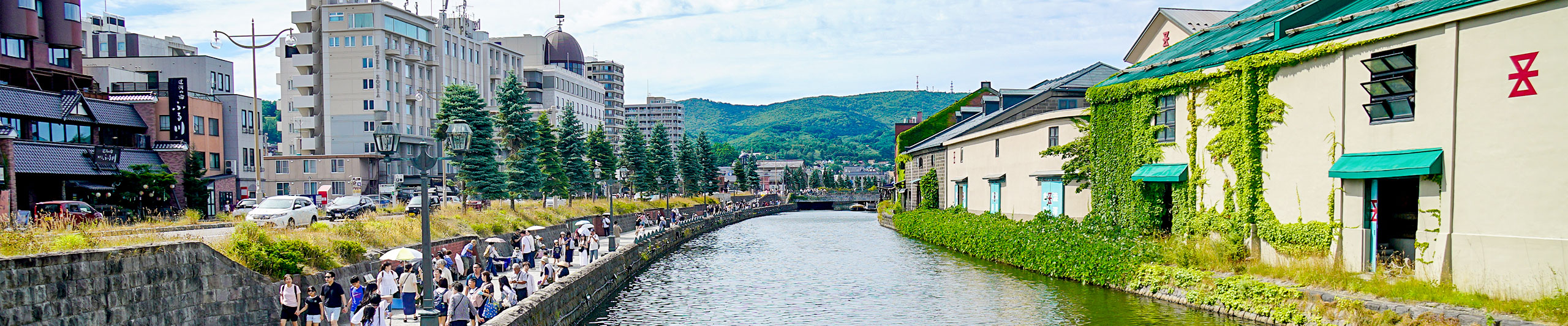
Otaru is a port city located in the southwestern part of Hokkaido, Japan, characterized by a humid subarctic climate. Winter is cold and prolonged, typically lasting from November to around March of the following year. During this long period, Otaru is generally snow-covered. From April to May, the weather of Otaru gradually warms, and spring scenery revives. In summer from June to August, the weather remains pleasant without extreme heat. In autumn, from September to October, the climate gradually transitions from warm to cool, and the cityscape quietly transforms into a colorful display of fall foliage.

Temperature
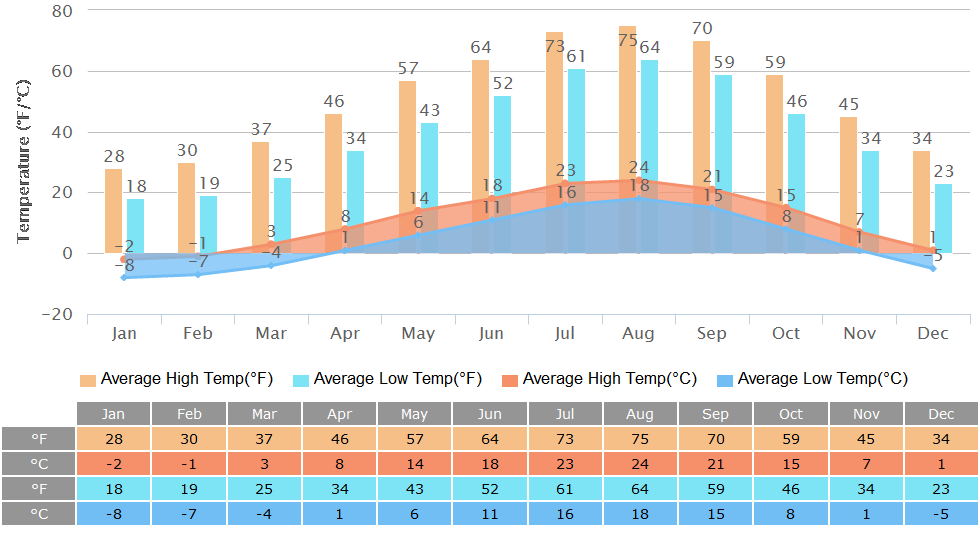
Otaru experiences relatively small temperature variations throughout the year, as its summer is not scorching hot and winter is not excessively cold. Even in August, the hottest month, the maximum temperature rarely exceeds 33 degrees Celsius (91 degrees Fahrenheit). Compared with other popular Japanese cities like Tokyo and Osaka, Otaru’s summer can be described as pleasantly cool and comfortable. In January, the coldest month, daytime temperatures generally hover around 0°C (32℉), with the lowest temperatures rarely dropping below -10°C (14℉).
Precipitation
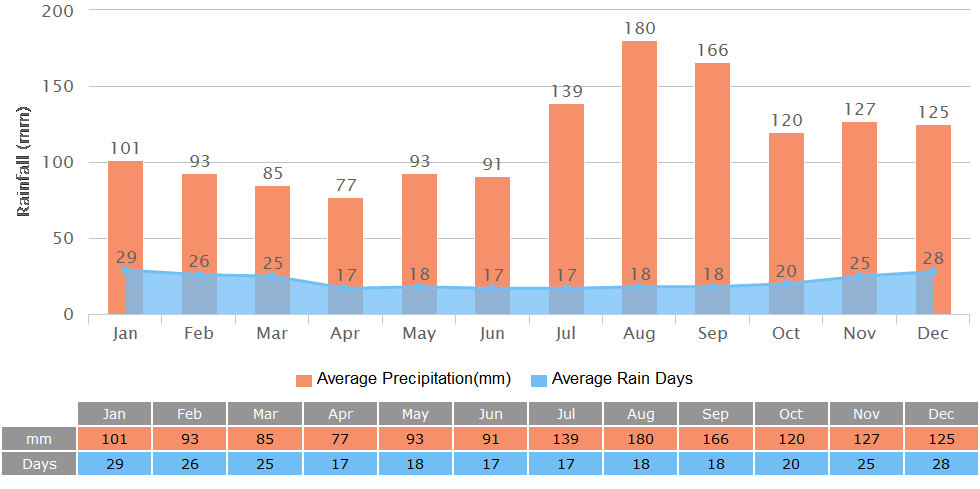
Otaru’s annual precipitation is not particularly high, totaling 1,397mm. However, wet days occur frequently, especially during winter months.
Otaru Street View
|
Rainfall
There is no obvious rainy season in Otaru, so the overall rainfall is not very high. Relatively speaking, rainfall is concentrated in summer and autumn, especially in August to October. In addition, it is hardly affected by typhoons here, so sustained or heavy rainfall scarcely occurs. Usually, the rainy weather features an overcast day mixed with intermittent light rain or sunshine.Snowfall
Otaru is blanketed in pure white snow during the winter. Generally speaking, the first snow here occurs in November and the last in mid or late March of the following year. There are no less than 20 snowy days in each winter month. In addition, with the continuous low temperature, the snow in Otaru remains very thick, especially during December to February, resulting in snow depths of up to two meters on both sides of the road.
Humidity
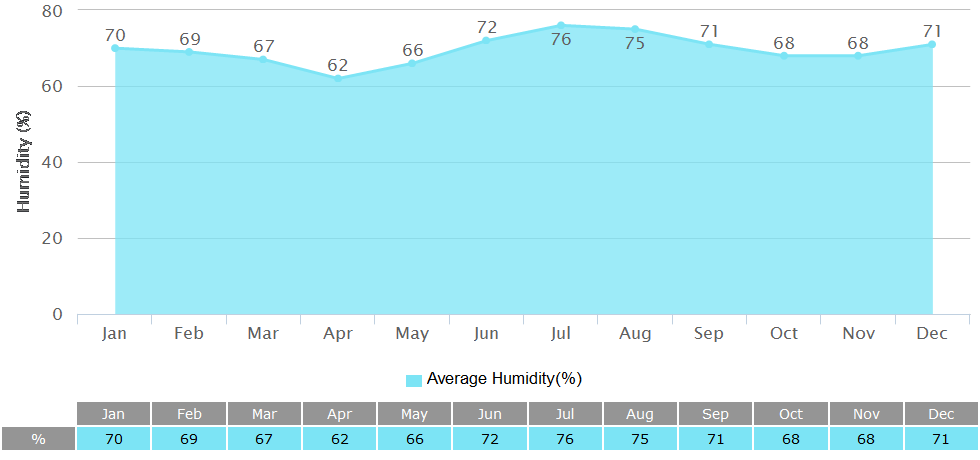
As a port city, coupled with frequent wet weather, Otaru is relatively humid all year round. Though characterized by high humidity, you won’t feel sticky in summer by virtue of its mild temperature. However, you would feel a bit clammy if you travel during the winter month, so make sure your winter accessories are well prepared. The humidity in April and May of spring is slightly lower than in other months.
Humidity Graph of Otaru
Best Time to Visit Otaru
The best times to visit Otaru are during the winter months from December to February and summer from June to August.From December to February, Otaru boasts stunning snowscapes, where visitors can not only admire the famous “Otaru Snow Light Path” but also enjoy a variety of winter activities such as skiing and ice skating.
Visiting Otaru from June to August allows you to escape the scorching heat and stuffy air of other cities. Additionally, you can experience the unique summer festivals and fireworks displays that are exclusive to Otaru.
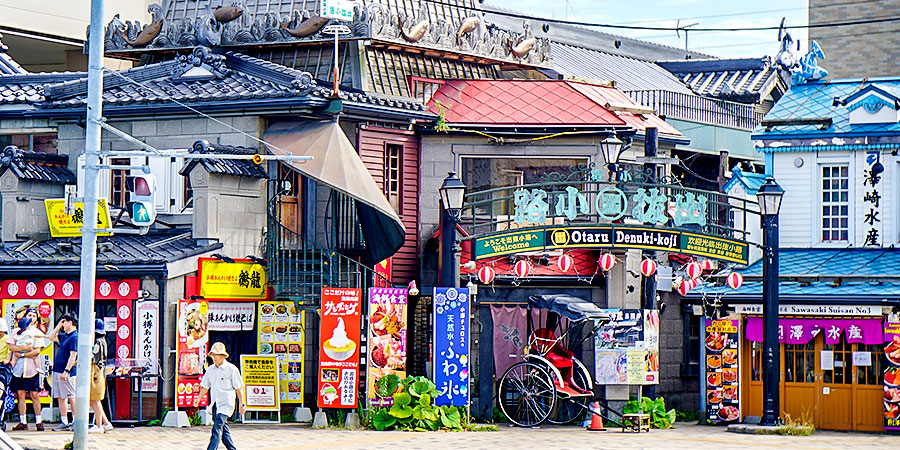
Otaru Denuki Koji
|
Seasonal Climate of Otaru & Travel Recommendations
Winter from November to March
Winter in Otaru is the longest season of the year, during which you can enjoy the splendid snow-covered landscape.
 November:
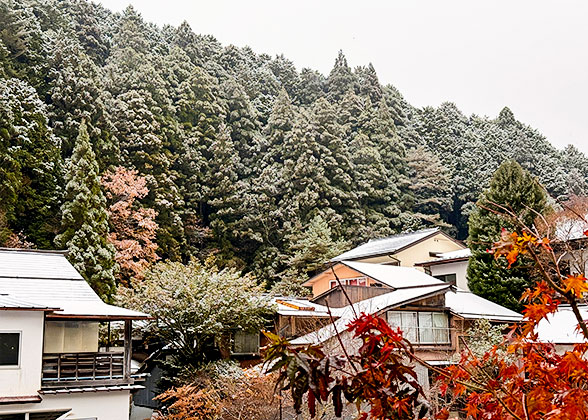
Snowfall of Otaru in Early Winter
|
December, January, and February:
March:By March, the temperature shows a gradual upward trend overall, but it remains quite cold. During the day, temperatures typically range between 0-6°C, occasionally rising to around 8-12°C (46-54℉), but nighttime temperatures frequently drop below freezing, though the lowest reaches about -4°C (25℉). Throughout this month, Otaru still has thick snow cover that has not melted. Heavy snowfall may still visit the city in early March, but by the middle to late part of the month, it is more likely to be sleet.
Dressing GuideWhen you are going to visit Otaru during the winter months of 2026, thick clothes like thermal underwear for both upper and bottom, wool sweater, and fleece-lined pants are significant. As for the outer wear, bring a long down coat and a wool overcoat for flexible adjustment according to the temperature changes. Also, accessories such as hat, scarf, gloves, and earmuff are essential. Besides, you’d better bring sunglasses to prevent snowblindness. It’s equally important to make sure your winter shoes are both waterproof and slip-resistant because there are many places covered with ice and snow in the city.
Places to Enjoy Snow FunOtaru Canal is a must-visit place for winter visitors, as the snowy night scene here is particularly beautiful and romantic. The lights along the banks are illuminated as night falls, highlighting the snow on the trees and buildings alongside. Especially during Christmas, New Year’s Day, and the Otaru Snow Light Path Festival in early to mid-February, it is not only a great time to enjoy the snow, but also an opportunity to experience various performances and taste local delicacies. Tenguyama’s snow scenery is also unique, and it is a ski resort. Ski enthusiasts will never be disappointed!
Spring from April to May
AprilIn April, the temperature gradually rises and the ice and snow melt. By mid-month, the daytime temperature rises to 10-15°C (50-59℉), and cherry blossom trees slowly grow flower buds. However, it’s still cold in the early morning and late afternoon when the temperature is below 6°C (43℉) mostly. Light showers are often seen this month.
MayDuring May, the daytime temperature is around 12-20°C (54-68℉). Sometimes when the sun comes out from clouds, the temperature can rise to 25°C (77℉). Nevertheless, the chill still lingers throughout the month; and drizzly weather is prone to occur, causing the temperature to fluctuate.
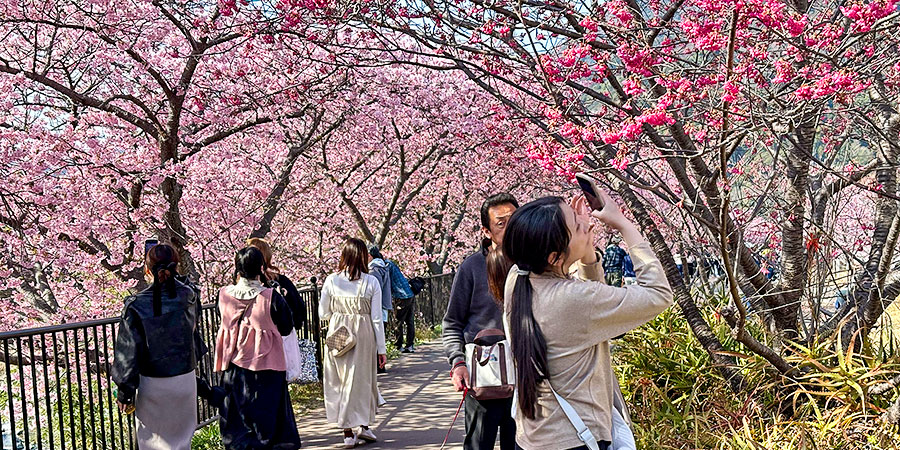
Otaru Sukura Season
|
Packing GuideKnitwear or light hoodie are needed. Besides, you’re recommended to pack a thicker outer layer like 3-in-1 jacket and lighter one such as a trench coat to cope with big temperature gap between the day and night and occasional temperature fluctuations. In consideration of frequent precipitation, make sure your rain gear is well prepared.
Spring DelightsCherry blossoms are generally in full bloom in late April to early May. Temiya Park, Otaru Park, Suitengu, the shore along Otaru Canal, and Tenguyama are top 5 viewing spots. It’s worth noting that if rainy weather occurs towards the end of the cherry blossom season, the blossoms may wither in large numbers. Therefore, if you’re making a trip for this scenery, be sure to check the weather conditions in advance to avoid missing out.
Summer from June to August
June:
Otaru in June gradually transitions to the comfortable early summer season, with daytime temperatures around 20°C (68℉), which makes you feel very warm.
July and August:
During these two months, the temperature further rises, to around 22-28°C (72-82℉), not unbearably hot, and in the early morning and evening it is very cool. However, the UV rays are strong, with the average index of about 5-6. Besides, summer rainfall is somewhat frequent. To your relief, there are rarely heavy rainfall, and the rainfall usually does not last long, so travel is basically not affected.
Packing Guide
In June, a light shirt together with jeans or casual trousers are appropriate during daytime. It’s better to bring a light jacket in case you need it during early and late hours or when temperature drops on rainy day. Summer T-shirt, shorts, and dress are more suitable in July and August.
In addition, you are recommended to bring sunscreen and umbrella for UV protection and rain protection, respectively.
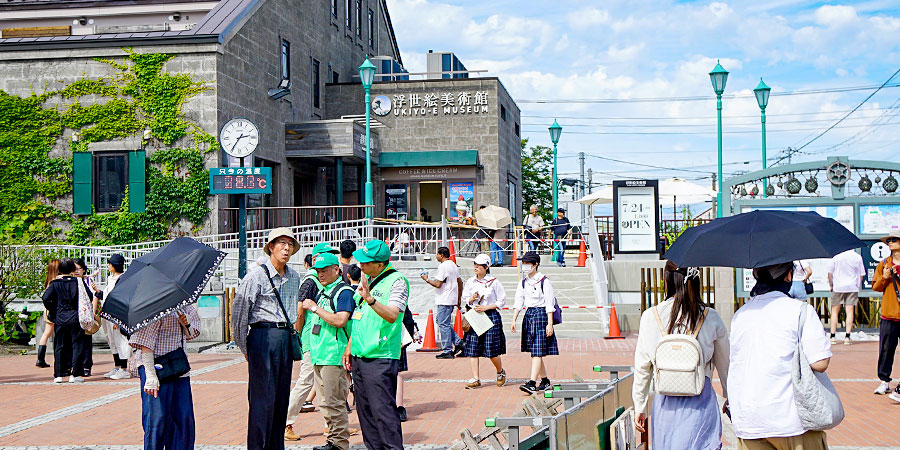
Otaru in Temperate Summer
|
Recommended Summer Activities
Otaru’s pleasant summer climate and lush green scenery are perfect for outdoor sightseeing. You can stroll through the Otaru Sakaimachi Street, experiencing the charming atmosphere and refreshing summer breeze. You can also take a sightseeing boat on the Otaru Canal, admire the red brick warehouse complex and historical buildings along the bank, and enjoy the coolness of the sea breeze. It is worth mentioning that in late July, there is a very lively event called the Otaru Tide Festival. During this period, not only can you experience the local folk customs, but also can you enjoy the wonderful fireworks at night.
Autumn from September to October
Autumn is short in Otaru, with temperatures dropping, but the natural scenery is beautiful with fields gradually becoming colorful.
Weather:
In early September, it’s still very warm with the maximum temperatures of 20-26°C (68-79℉). From mid-September on, it turns cooler and cooler, with highs dropping from around 24°C (75℉) to 16°C (61℉), and lows from 18°C (64℉) to 12°C (54℉). By late October, chills permeate the air, with the maximum temperatures falling to around 10-15°C, and minimum temperatures about 5-10°C (41-50℉).
The precipitation in autumn occurs frequently as rainy days are no less than 18 per month, but very mild mostly.
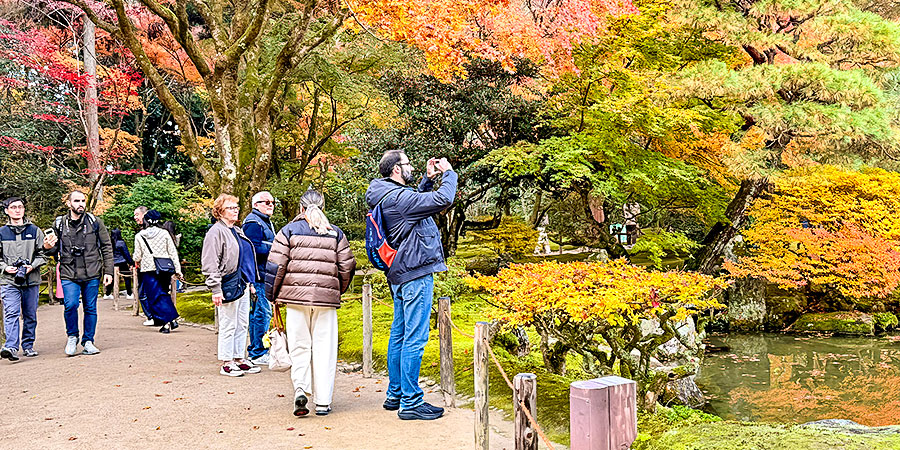
Otaru Autumn Foliage Season
|
Packing Guide
Light shirt together with thin trousers are suitable in September, and don’t forget to bring a light jacket if you go out in the early morning or return late. In October, thicker clothes like hoodie, sweatshirt, and windproof jacket are more appropriate. Additionally, rain gear and waterproof shoes are necessities.
Autumn Vibrancy
The autumn in Otaru is colorful and splendid. Starting from mid-October, the autumn foliage becomes spectacular. Places like Temiya Park, Otaru Park, and Nakano Botanical Gardens are all excellent spots for enjoying the autumn scenery.
See more: Japan Weather & Otaru Attractions
You May Like
-
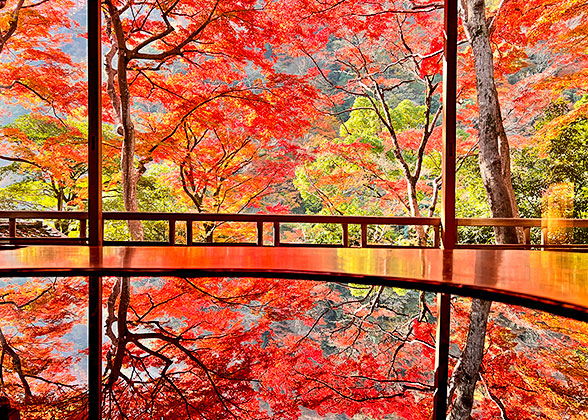 7 Days Mini Group Tour to Tokyo - Mt. Fuji - Kyoto - Nara - Osaka from USD2155
 -
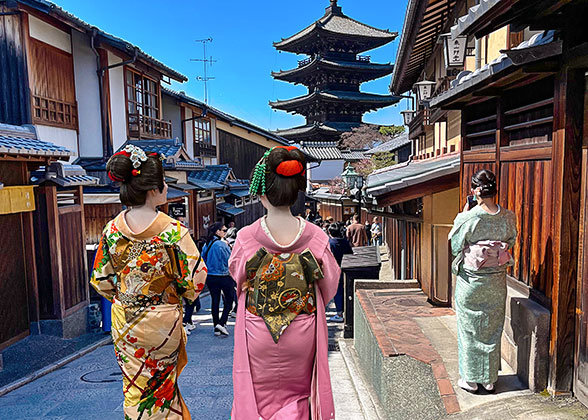 10 Days Private Tour of Tokyo - Mt. Fuji - Tokyo - Nagoya... from USD3809
 -
 11 Days Mini Group Tour to Tokyo - Hakone (Mt. Fuji) - Kyoto... from USD3554
 -
 13 Days Private Tour of Tokyo - Kamakura - Tokyo - Mt. Fuji... from USD4443